How Stress Affects Healing After Orthopedic Surgery
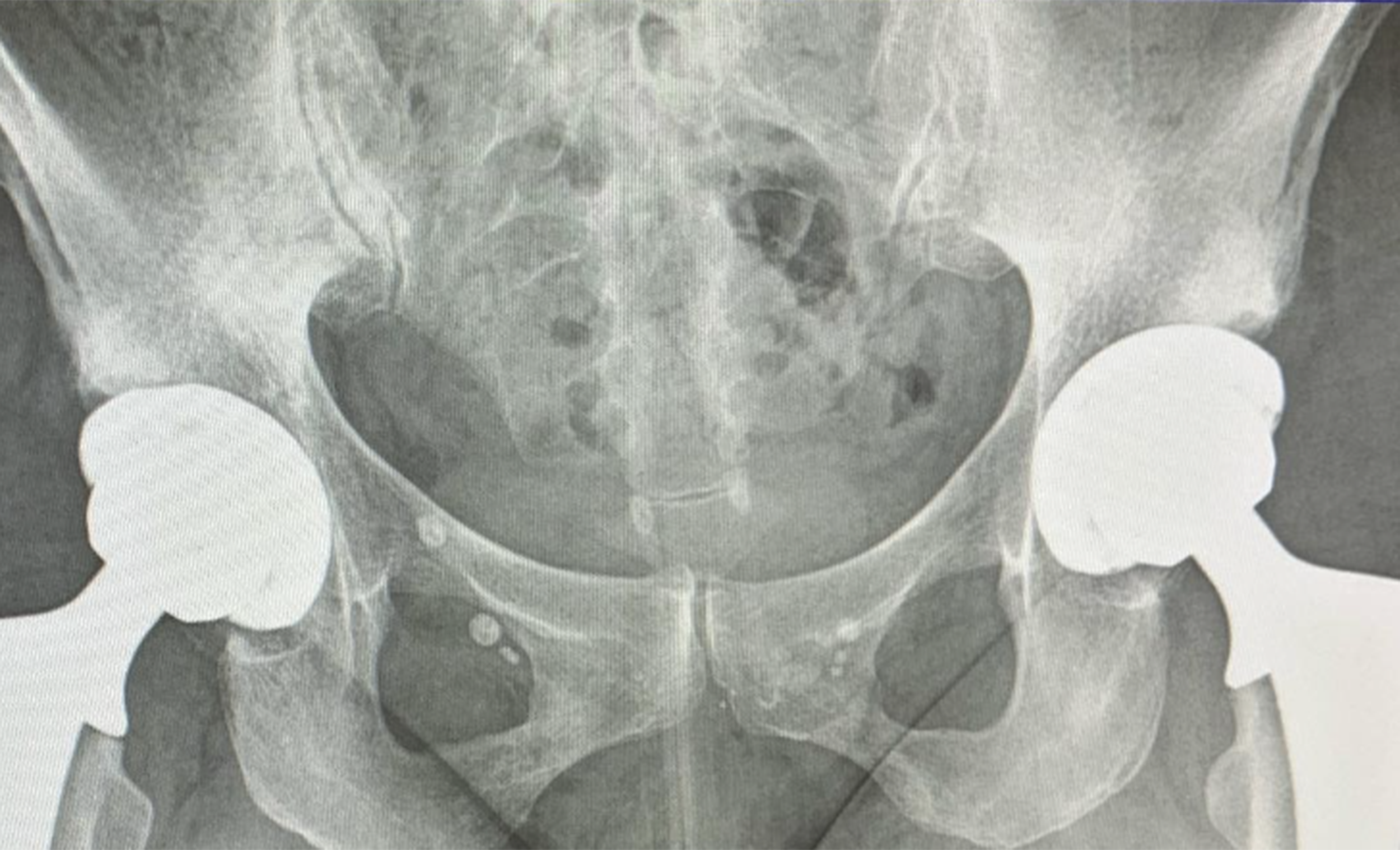
Nearly five years ago, I had both of my hips replaced on the same day. I know firsthand that surgery isn't just a physical event, it's an emotional one too. Most people go into surgery carrying fear: fear that it won't work, fear of anesthesia, fear of how much pain is waiting on the other side, and the constant question of when they'll be able to do the things they love again like picking up their kids, getting back to a favorite sport, or simply walking without pain. What most people don't realize is how much that fear and stress can affect healing after orthopedic surgery.
Your Nervous System Controls Your Healing State
Your body has two primary nervous system responses:
Sympathetic (fight-or-flight, stress)
Parasympathetic (rest-and-recover, repair)
After surgery, your body needs to spend more time in the parasympathetic state. That's where tissue repair, inflammation control, and the deeper physiological work of healing actually happen.
When your system is under ongoing stress, it stays locked in a sympathetic mode, alert and on guard. In that state, healing is not the priority.
What Happens When Stress Stays High
Chronic stress isn't just something you feel mentally. It shows up physically in ways that directly impact healing.
Elevated stress levels are associated with:
Increased cortisol, which can impair collagen production
Slower wound healing
Higher pain sensitivity
Increased inflammation
Lower energy and motivation for rehab
Increased fear of movement and/or heightened fear of pain all of which can lead to avoiding the activities your body actually needs to heal
Patients with higher stress and anxiety going into surgery often report pain that feels more intense and harder to manage, along with a slower return to normal activity afterward. This happens because stress heightens your nervous system's sensitivity to pain signals, so the same injury or procedure can feel more severe than it would if your system were calmer.
This is your nervous system responding.
Stress Also Affects How You Move Your Body
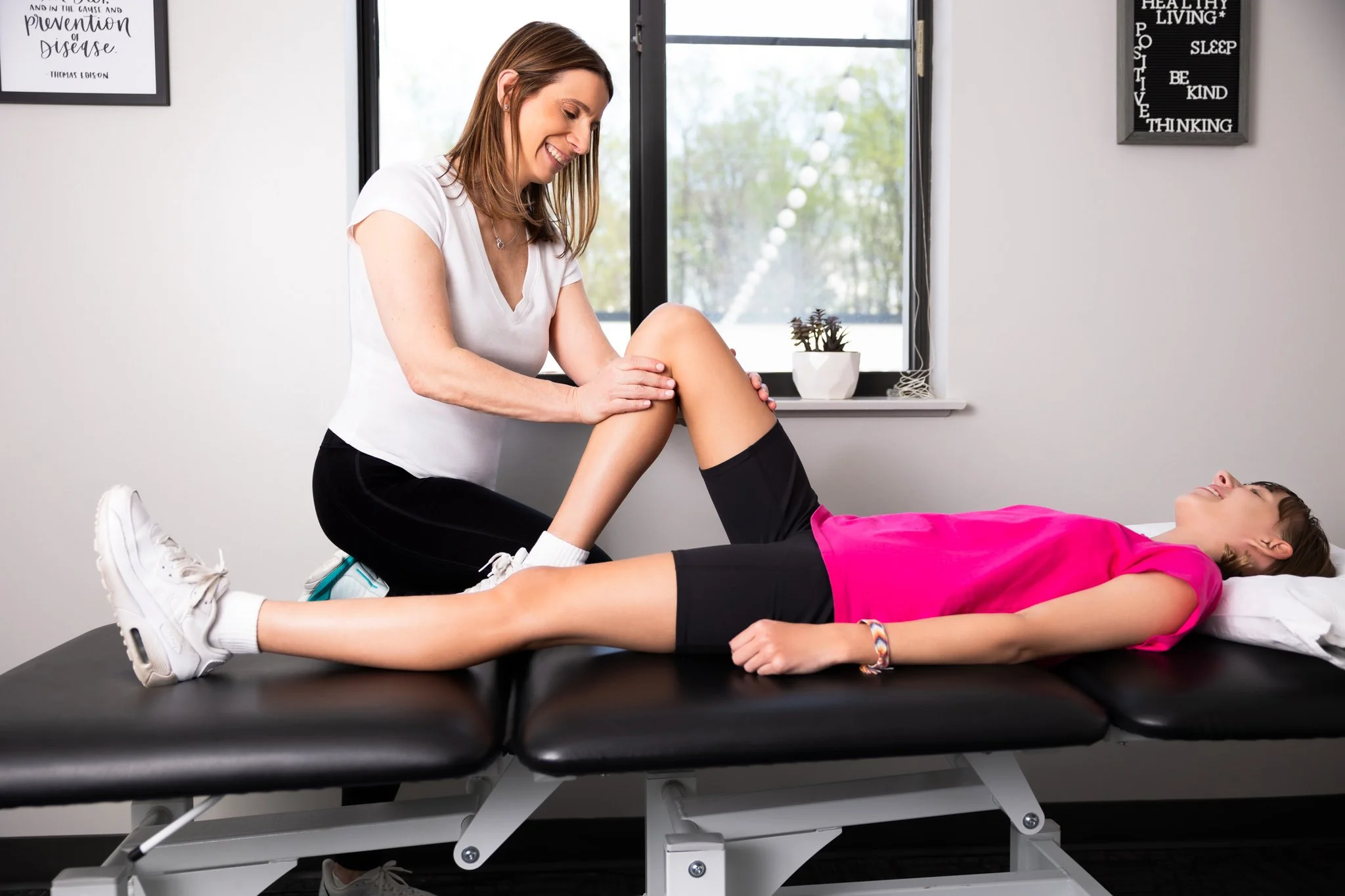
As a PT, this is something I see all the time.
When your nervous system is upregulated, stuck running in a heightened, alert state rather than settling into balance, your body responds with:
Muscle guarding
Increased tension
Altered movement patterns
This can make rehab feel harder, limit progress, and lead to compensatory patterns that raise your risk of re-injury.
On the other hand, when your system is more settled, movement feels more natural, and patients tend to progress more steadily.
Why Surgery Itself Can Increase Stress
Even if you don't consider yourself a "stressed" person, surgery is a major event.
Common stressors include:
Uncertainty about outcomes
Disruption to your normal routine
Temporary loss of independence
Pain or discomfort
Missing work, sports, or other activities that matter to you
Feeling pressure to return to work or sports faster than your body is ready for
The pressure to "recover quickly"
All of this can keep your system in a heightened state if it's not actively addressed.
Furthermore, the surgery itself is also a physical stressor to your body: tissue trauma, inflammation, the effects of anesthesia, on top of whatever psychological stress you're carrying into it. When physical and psychological stress stack on top of each other, pain perception tends to amplify further. It's not one or the other. They compound.
My Own Experience With Stress and Surgery
Going into my bilateral hip replacement, I knew my stress response mattered as much as my physical preparation. I leaned on the Transcendental Meditation practice that I had been building on for years to help keep my nervous system as balanced as possible in the weeks leading up to surgery and afterwards. Alongside that, I did deliberate work on staying positive and envisioned myself returning all the activities that the pain had taken away from me. That preparation didn't erase the stress of undergoing something as major as a bilateral hip replacement, but it gave my body a better starting point to heal from.
Simple Ways to Support Your Nervous System While Healing
Supporting your nervous system doesn't require a major lifestyle overhaul or extra hours in your day. Building new, small, consistent habits can make a real difference.
A few simple tools:
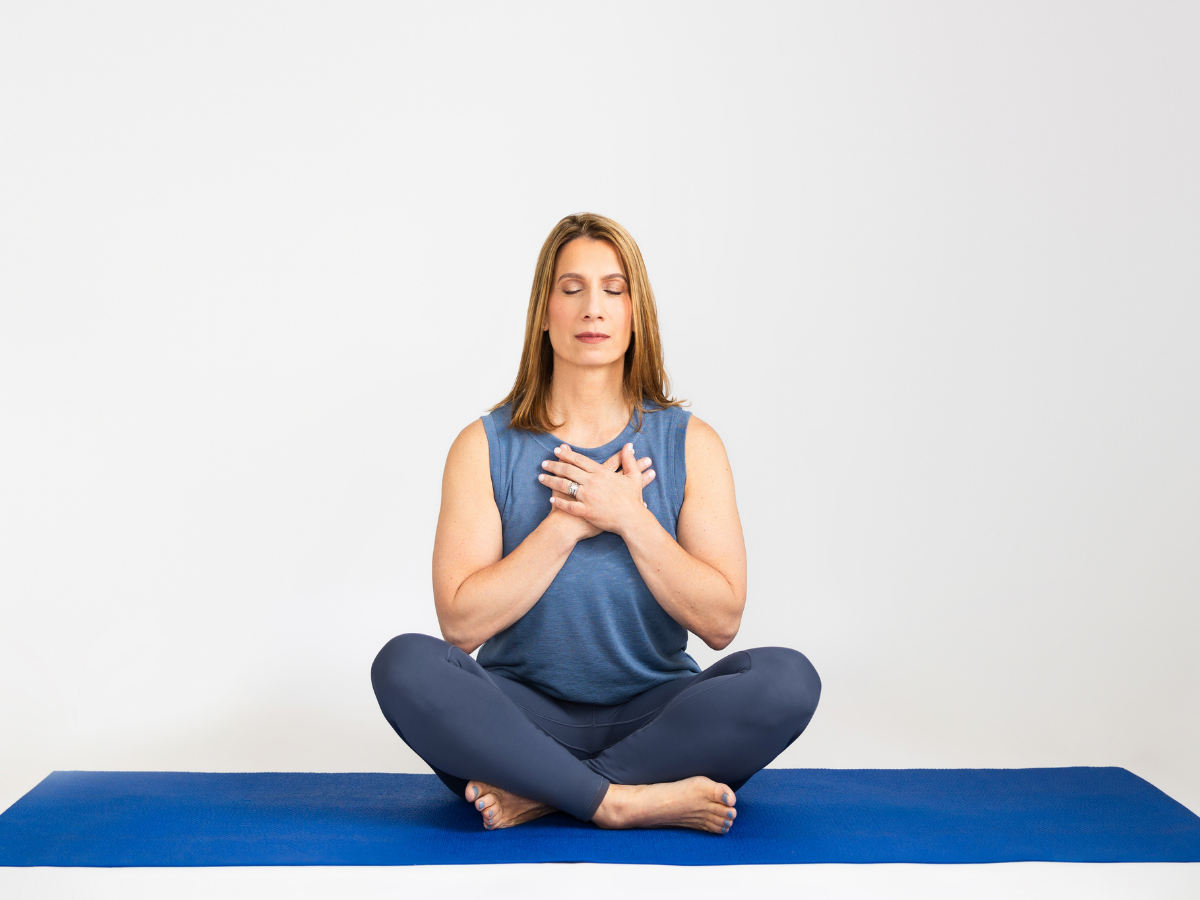
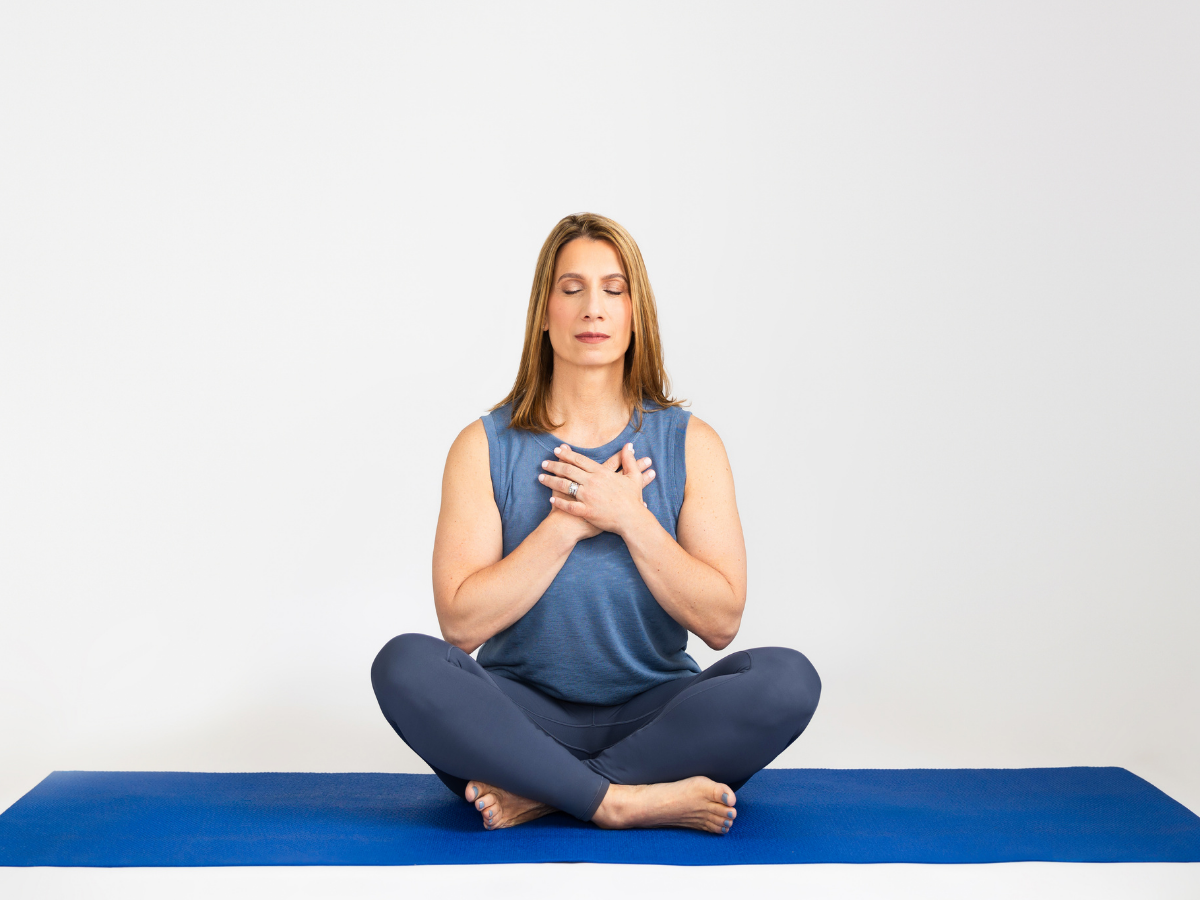
Diaphragmatic breathing: Slow, deep breathing helps calm the nervous system
Longer exhales: Extending your exhale signals your body to relax
Gentle movement: As appropriate, helps regulate both your mind and body
Time outdoors: Grounding exercises, natural daylight and fresh air support nervous system balance
These tools might seem too minor to be effective, or even feel like a waste of time when you're focused on the physical work of recovery. A lot of patients dismiss them at first until they experience the results of this work firsthand.
Why These Tools Matter More Than They Seem
The goal isn't to "fix" stress instantly, it's to gradually shift your body into a state where healing can happen more efficiently. That shift really matters since your body can't fully prioritize repair if it's constantly preparing for stress.
The Connection Between Stress, Pain, and Healing
There's a relationship worth paying attention to:
Higher stress can increase pain sensitivity
Higher pain can increase stress
Both can disrupt sleep and slow healing
This cycle can build quickly if it's not addressed. The earlier you support your nervous system, the easier it is to minimize how much that pattern takes hold.
The Bottom Line
Stress is not separate from your physical healing. It's part of it.
Your nervous system determines whether your body is in a state that supports healing or one that works against it. When you actively support your nervous system, you're not just "relaxing." You're creating the conditions your body needs to heal more effectively.
Stress and the Six Pillars of Functional Medicine
This wraps up the final pillar in this series. If you haven't already, take a look at how stress connects with nutrition, gut health, sleep, movement, and community. These are the other pillars that shape a full recovery. You can revisit the complete framework here.
PS: Managing stress well doesn't only support healing after surgery. It's part of a much bigger conversation about long-term health and how well you age, and that's a conversation I'll be picking up soon.