What to Eat After Orthopedic Surgery: A Functional Medicine Guide to Faster Recovery
If you’re wondering what to eat after orthopedic surgery, you’re not alone.
This is one of the most common questions I get in my practice. Clients want to know what will help them recover faster, reduce inflammation, and get back to their normal life or sports quicker.
As a physical therapist and functional medicine health coach, I look at recovery from both sides. Yes, we need progressive rehab and smart movement. But we also need to support the internal healing environment. Surgery repairs the structure. Nutrition supports tissue repair at the cellular level.
If you want faster recovery after orthopedic surgery, you need the PT but what you eat matters too.
Why Nutrition Matters After Orthopedic Surgery
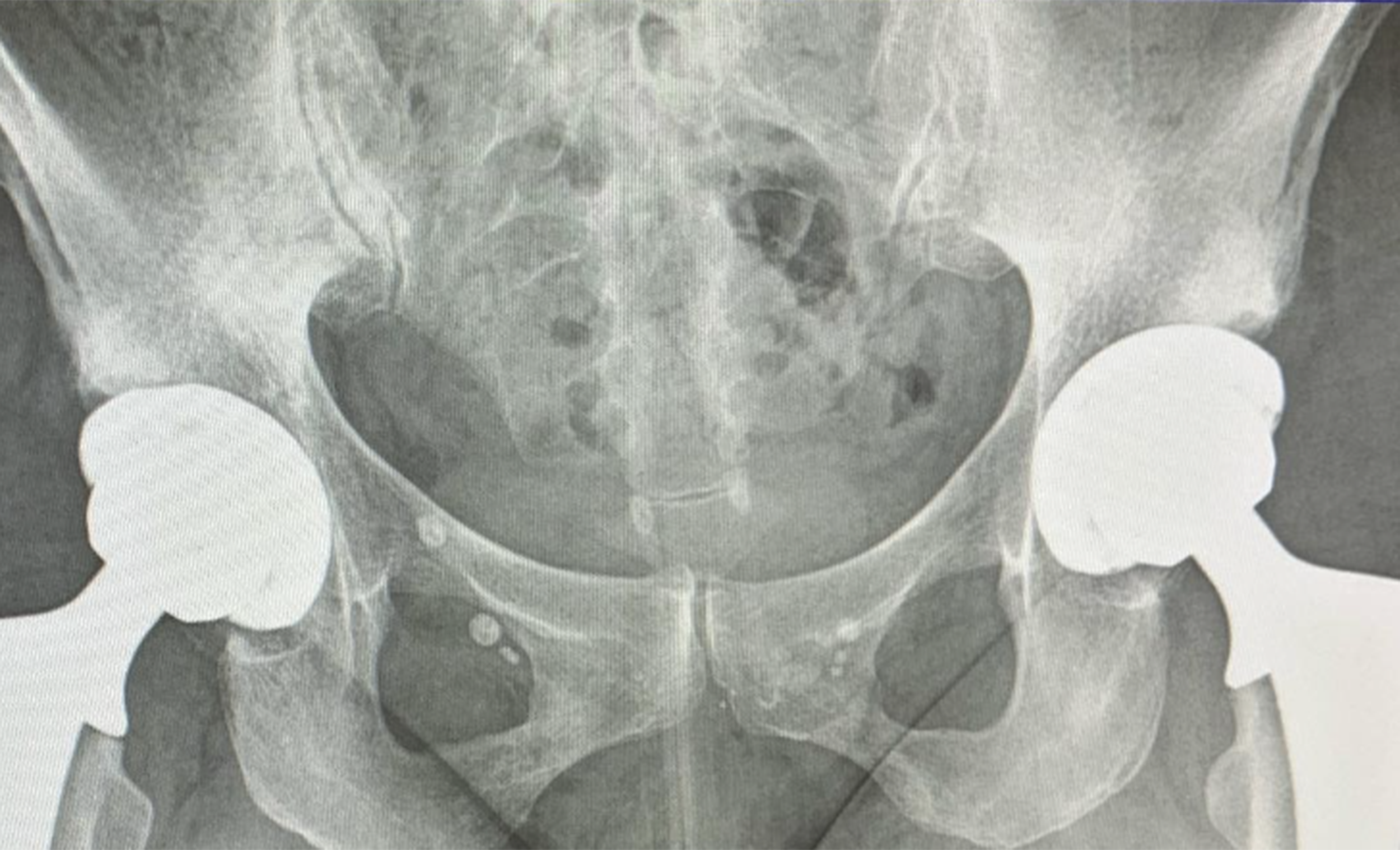
Orthopedic procedures such as a hip replacement, rotator cuff repair, ACL reconstruction, spinal surgery, or a tendon repair create intentional controlled trauma to fix the problem. After surgery, your body must:
Rebuild muscle and connective tissue
Produce collagen
Regulate inflammation
Prevent infection
Restore strength and mobility
All of this requires adequate protein, micronutrients, hydration, and calories. When nutrition is insufficient, recovery can be impaired, swelling can linger, fatigue increases, and muscle loss becomes more likely.
You cannot out-rehab poor nutrition.
How Much Protein to Eat After Orthopedic Surgery
Protein is the most important macronutrient for post-surgical recovery. It supports:
Muscle preservation
Collagen production
Immune function
Wound healing
Most adults recovering from orthopedic surgery benefit from about 1.2–2.0 grams per kilogram of body weight which is roughly 0.55–0.9 grams per pound, depending on age, muscle mass, and overall health. Most people fall short, especially if their appetite is low after surgery.
Best Protein Sources for Recovery
Wild-caught salmon
Organic chicken
Pasture-raised eggs
Greek yogurt
Grass-fed beef
Collagen peptides
Aim for 25 to 40 grams of protein per meal and distribute intake throughout the day. Your body uses protein more efficiently when it is spaced out.
Anti-Inflammatory Diet After Orthopedic Surgery
Inflammation is a normal part of healing. However, excessive or prolonged inflammation can delay tissue repair and increase discomfort.
An anti-inflammatory diet after surgery helps regulate this response.
Foods That Help Reduce Inflammation
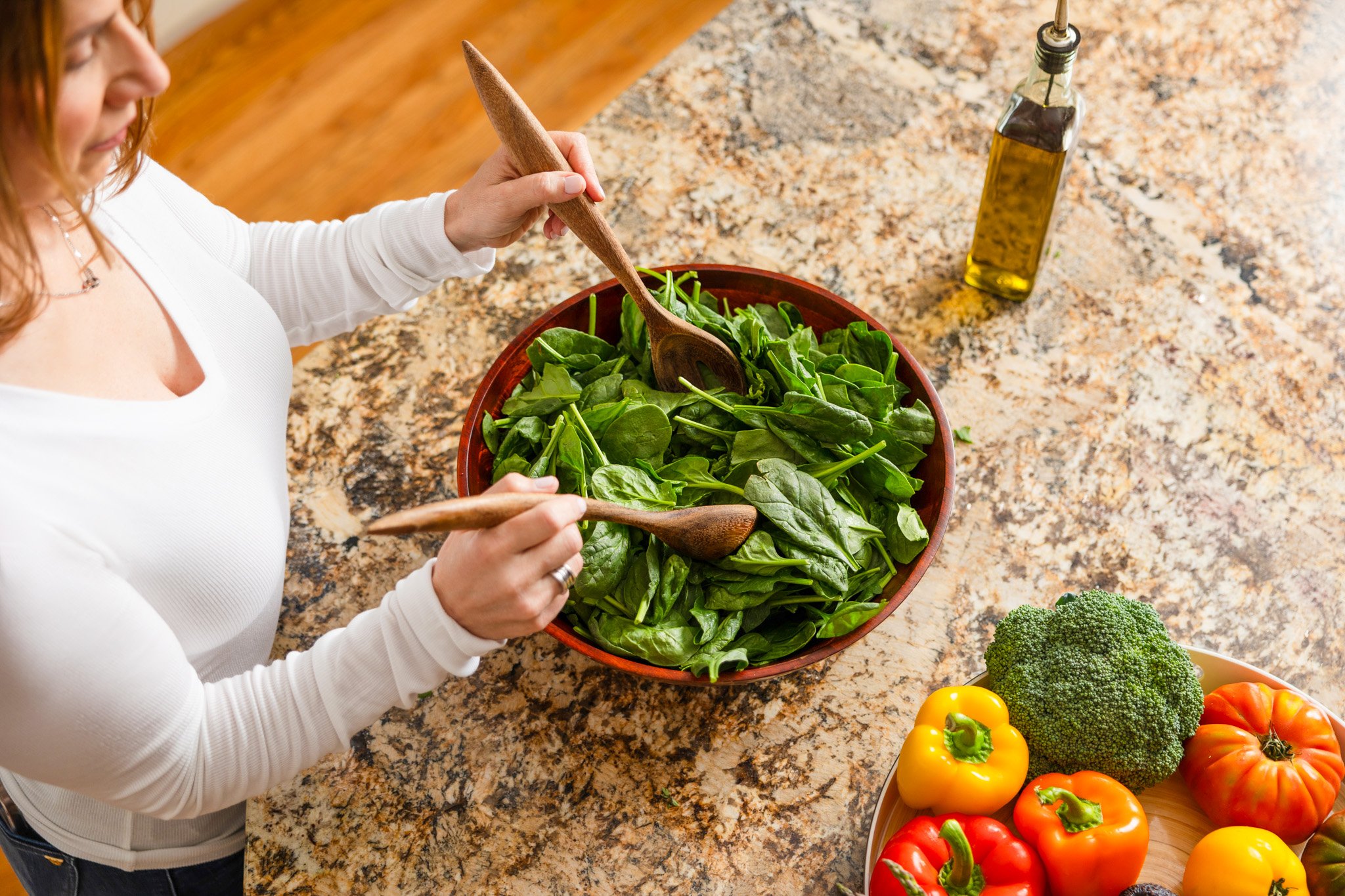
Colorful vegetables
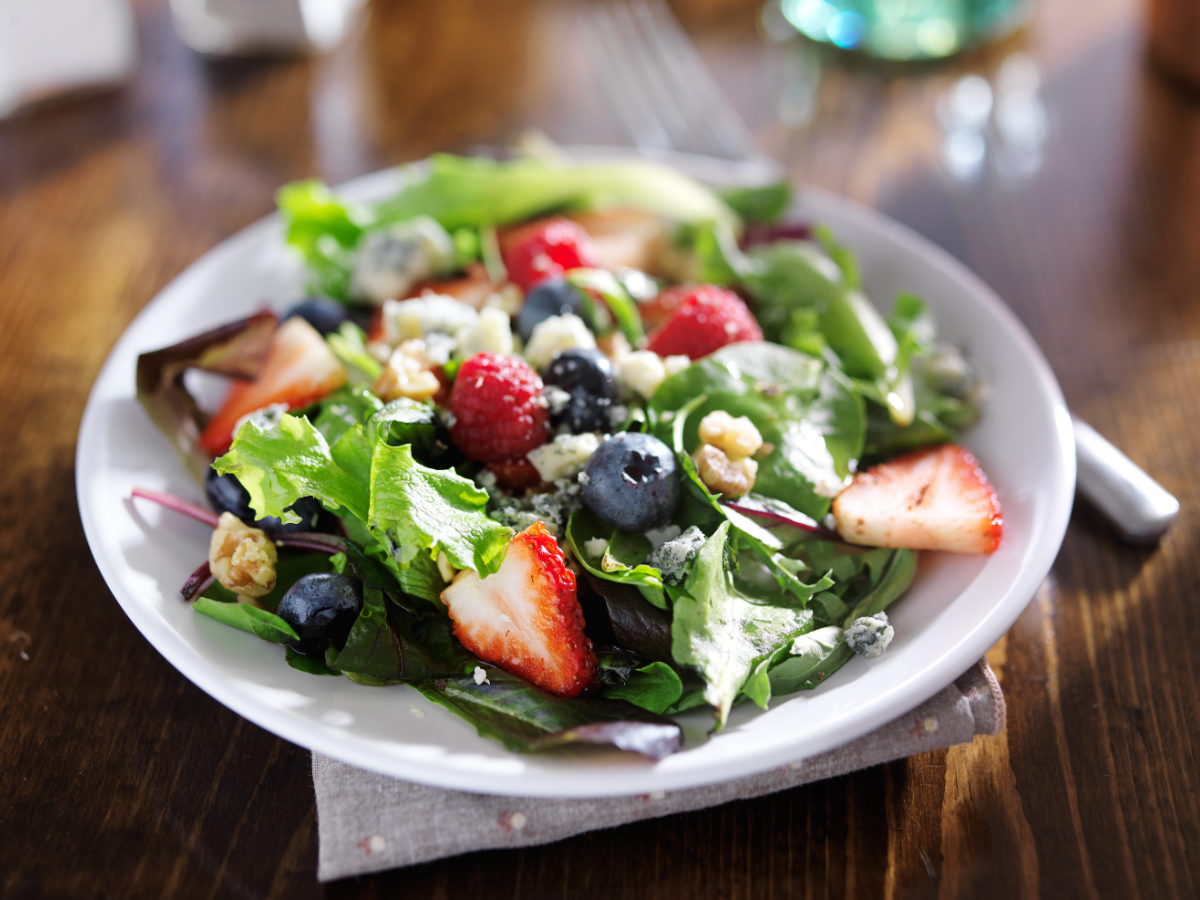
Berries
Dark leafy greens
Extra virgin olive oil
Avocado
Turmeric (with black pepper) and ginger
Nuts and seeds
These foods provide antioxidants and phytonutrients that support the body’s natural healing pathways.
Foods to Limit During Early Recovery
Added sugars
Ultra-processed snack foods
Refined carbohydrates
Alcohol
This does not have to be permanent. But early in the recovery process, minimizing these foods can really support your recovery.
Nutrients That Support Collagen Production
After orthopedic surgery, your body is rebuilding connective tissue. Collagen is essential for healing ligaments, tendons, cartilage, and surgical incisions.
Key nutrients for collagen production include:
Vitamin C
Zinc
Copper
Amino acids such as glycine and proline
Foods That Support Collagen
Bone broth
Citrus fruits
Kiwi
Red bell peppers
Pumpkin seeds
Pairing collagen peptides with a vitamin C source once daily can help support connective tissue repair.
The color of a fruit or vegetable tells you something about the plant compounds inside it. Different colors in plant foods reflect different plant compounds, and each group contributes to immune function, circulation, and tissue repair. The goal isn’t perfection. It’s variety.
Use color as a simple guide:
Red: tomatoes, red peppers
Orange: carrots, sweet potatoes
Green: broccoli, spinach, leafy greens
Purple: cabbage, eggplant
White: garlic, onions
Practical tip:
If raw vegetables feel hard to digest post-op, cook them. Roasted, sautéed, or blended into soups often feel better during early surgery recovery.
Gut Health and Orthopedic Surgery Recovery
Anesthesia, antibiotics, and pain medications can disrupt digestion and the gut microbiome. When digestion is impaired, nutrient absorption suffers.
Common issues after surgery include constipation, bloating, and reduced appetite. Addressing gut health supports overall recovery.
To Support Digestion After Surgery
Include fermented foods like kombucha, sauerkraut or kefir
Eat fiber from vegetables and berries
Stay hydrated
Consider magnesium if constipation is present
When your gut functions well, nutrient absorption improves, and healing becomes more efficient.
Hydration and Post-Surgical Healing
Hydration plays a key role in circulation, nutrient transport, and tissue repair. It also helps prevent constipation and fatigue.
After orthopedic surgery, increasing fluid intake becomes even more important. Your body is working hard to metabolize and clear anesthesia, pain medications, and other drugs used during and after the procedure, and adequate hydration supports your liver and kidneys as they process and eliminate these substances.
Pain medications, especially opioids, are a major cause of constipation after surgery because they slow the movement of the intestines, making stool harder and more difficult to pass. General anesthesia adds to this by temporarily suppressing the coordinated contractions of the gut, so your intestines are already moving more slowly before you even take your first dose of pain medication. When fluid intake is low, this slowdown is amplified. Staying well hydrated helps soften stool, support bowel motility, and reduce the likelihood of uncomfortable post‑surgical constipation in the first few weeks of recovery.
A practical guideline is to drink roughly half your body weight in ounces of water per day as a baseline, increasing intake if you are larger‑bodied, sweating, or taking medications that increase fluid loss. Electrolytes can also be helpful in the early recovery phase, especially if appetite is low or you’re struggling to keep up with hydration.
Sample Post-Surgery Recovery Meal Plan
Breakfast: Eggs with sautéed spinach and berries
Lunch: Grilled salmon, roasted vegetables, olive oil
Snack: Greek yogurt with pumpkin seeds
Dinner: Chicken, sweet potato, mixed greens
Optional: Collagen in a smoothie with kiwi
It does not need to be complicated. It needs to be intentional and consistent.
Final Thoughts: The Best Diet After Orthopedic Surgery
The best foods to eat after orthopedic surgery are not extreme or restrictive. They are strategic and intentional.
Prioritize protein for tissue repair.
Eat anti-inflammatory whole foods.
Support collagen production.
Stay hydrated.
Protect gut health.
If your goal is faster recovery, reduced swelling, and stronger long-term outcomes after orthopedic surgery, start in the kitchen. The way you fuel your body directly influences how well you heal.
Tired of waiting to feel better?
Let's chat. I offer personalized support for anyone recovering from orthopedic surgery or struggling with injuries that just won't heal. Together, we'll create a plan tailored to your unique needs, so you can finally start moving forward again.