How to Recover From Orthopedic Surgery: A Functional Medicine Approach
Surgery is step one. What happens before and after is what actually determines how well you heal. Every patient's recovery from orthopedic surgery is different, and that difference comes down to the internal environment your body brings to the healing process: your sleep, your nutrition, your stress load, your gut health. These factors don't just support recovery. They actually drive it.
As a physical therapist with over 27 years of experience and a certification in functional medicine health coaching, this is exactly what I focus on with my patients.
Why Preparing Your Body Before Surgery Changes Everything
Most people think orthopedic surgery recovery starts when they wake up from anesthesia. It doesn't. It starts well before you show up for your surgery.
The physiological state you arrive in on surgery day sets the trajectory for everything that follows. Patients who come in with high baseline inflammation, poor sleep, or significant unmanaged stress are starting recovery at a deficit before an incision is even made.
Prehabilitation, intentionally preparing your body before surgery, is one of the most underutilized strategies in orthopedic care. Research shows that patients who actually prepare their body before surgery experience better functional outcomes and faster return to daily activity. You're not just waiting for surgery. You're training for it.
The six pillars below apply both before your procedure and after. Think of them as the foundation of your surgery recovery.

1. Nutrition: The Most Direct Lever for Managing Inflammation
Every surgery triggers inflammation. That's normal and also necessary. The problem arises when your baseline inflammation is already elevated going in. The consequence might be that swelling lingers longer, pain feels more intense, and tissue repair slows down.
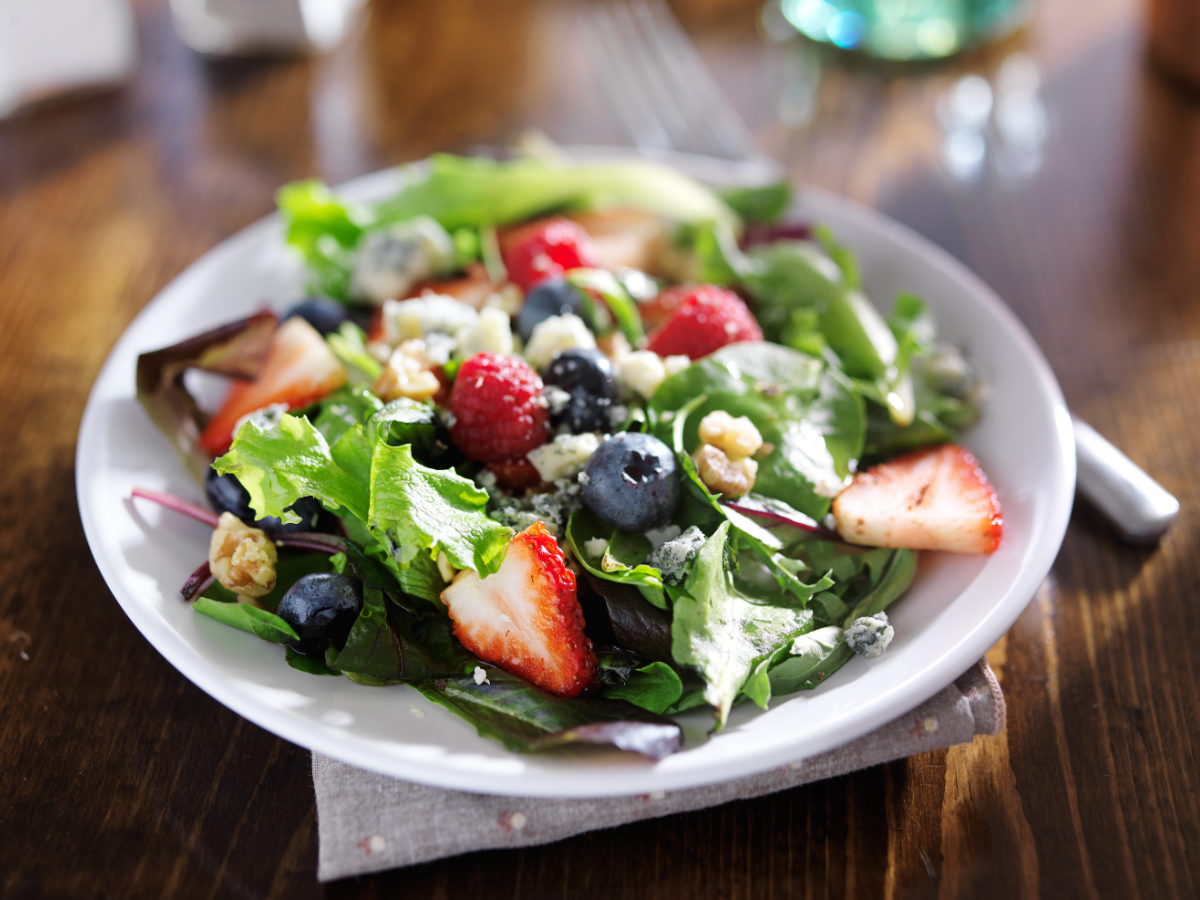
Protein is non-negotiable for orthopedic surgery recovery. Amino acids rebuild muscle, repair connective tissue, and synthesize collagen, the structural foundation of your tendons, ligaments, and cartilage. Most patients significantly underestimate how much their body needs during active healing.
Omega-3 fatty acids, found in fatty fish, walnuts, and flaxseed, support anti-inflammatory pathways and have been studied specifically in the context of post-surgical healing.
Colorful vegetables and fruits provide antioxidants that help neutralize the oxidative stress that spikes after surgery. Processed foods and excess sugar work against you by amplifying the inflammatory response you're trying to regulate.
Want more surgery nutrition tips? Check out: What to Eat After Orthopedic Surgery: A Functional Medicine Guide to Faster Recovery
2. Gut Health: The Surprising Connection to Surgical Healing
When I tell patients that gut health affects their orthopedic recovery, the first reaction is usually skepticism. What does my gut have to do with my knee?
More than most people expect.
Roughly 70% of your immune system lives in your gut and your immune system runs your healing response. Research on the gut-immune axis shows that an imbalanced gut microbiome is associated with elevated systemic inflammation, which is the last thing you want when your body is trying to mount a precise, controlled healing response post-surgery.
There's also an absorption issue. After surgery, your body needs more vitamin C for collagen synthesis, zinc for wound healing, and magnesium for muscle recovery. If your gut isn't functioning well, you can't fully absorb those nutrients, regardless of how well you're eating. Antibiotics, commonly used around surgical procedures, can significantly disrupt gut bacteria and are worth proactively addressing.
3. Stress and the Nervous System: Why Your Mental State Affects Physical Recovery
Chronic stress physiologically slows orthopedic surgery recovery and most patients have never been told this.
When your nervous system is locked in fight-or-flight mode, your body is in survival mode, not repair mode. Elevated cortisol impairs collagen synthesis, disrupts wound healing, and increases pain sensitivity. Research consistently links higher pre-operative stress and anxiety to worse post-surgical pain outcomes and longer recovery timelines.
As a physical therapist, I see this with movement too. A dysregulated nervous system produces muscle guarding and altered movement patterns that complicate the rehab process. Patients in a calmer physiological state engage with rehab more effectively and progress more predictably.
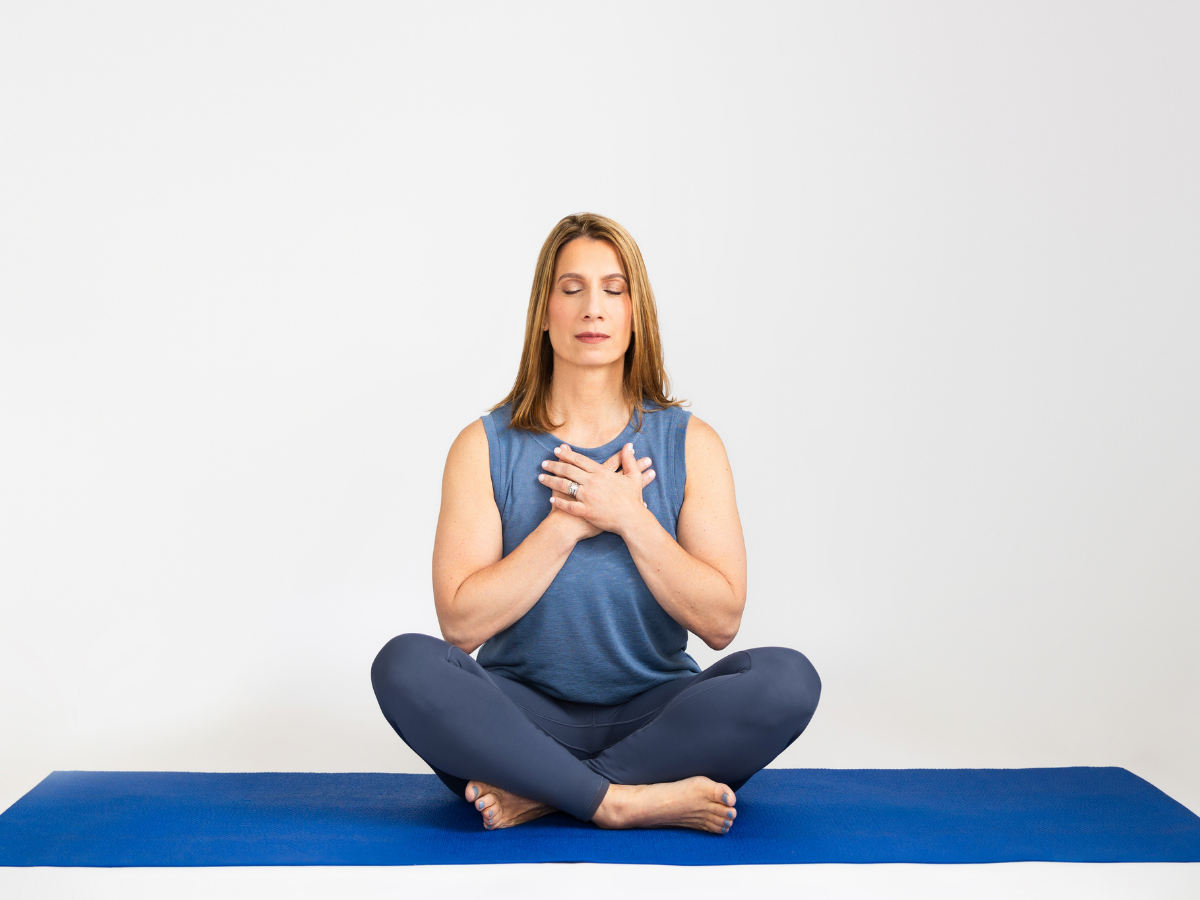
Practical tools: try diaphragmatic breathing, gentle movement, and time outdoors. Slow, extended exhales activate the vagus nerve and shift the body out of sympathetic overdrive. These may seem like silly exercises at first, but they are simple tools that can change your physiological state.
4. Sleep: When Your Body Actually Repairs Itself
During deep sleep, growth hormone is released, immune activity peaks, and damaged tissues are actively rebuilt. Sleep is not just a passive rest phase. It is when the majority of surgical recovery happens at a cellular level.
Poor sleep after surgery increases pain sensitivity, slows tissue repair, and depletes the energy needed for recovery. It also creates a cycle worth interrupting early: high pain disrupts sleep, and poor sleep amplifies pain.
Evidence-based strategies: maintain a consistent sleep schedule, reduce screen exposure 60-90 minutes before bed, keep your room cool and dark, and limit alcohol. Alcohol may help you fall asleep faster, but it disrupts the deeper sleep stages where recovery actually happens. If sleep has been a struggle before your surgery, address it proactively. It will matter in your recovery.
5. Movement: The Most Powerful Orthopedic Recovery Tool
Appropriate movement in the early stages of recovery restores circulation to healing tissues, reduces swelling, prevents muscle atrophy, and helps your nervous system relearn efficient movement patterns. The key word is appropriate. This isn't about pushing through pain or rushing to the next phase of recovery. It's about meeting your body exactly where it is and progressively challenging it just enough to stimulate healing without overwhelming tissues that are still rebuilding.
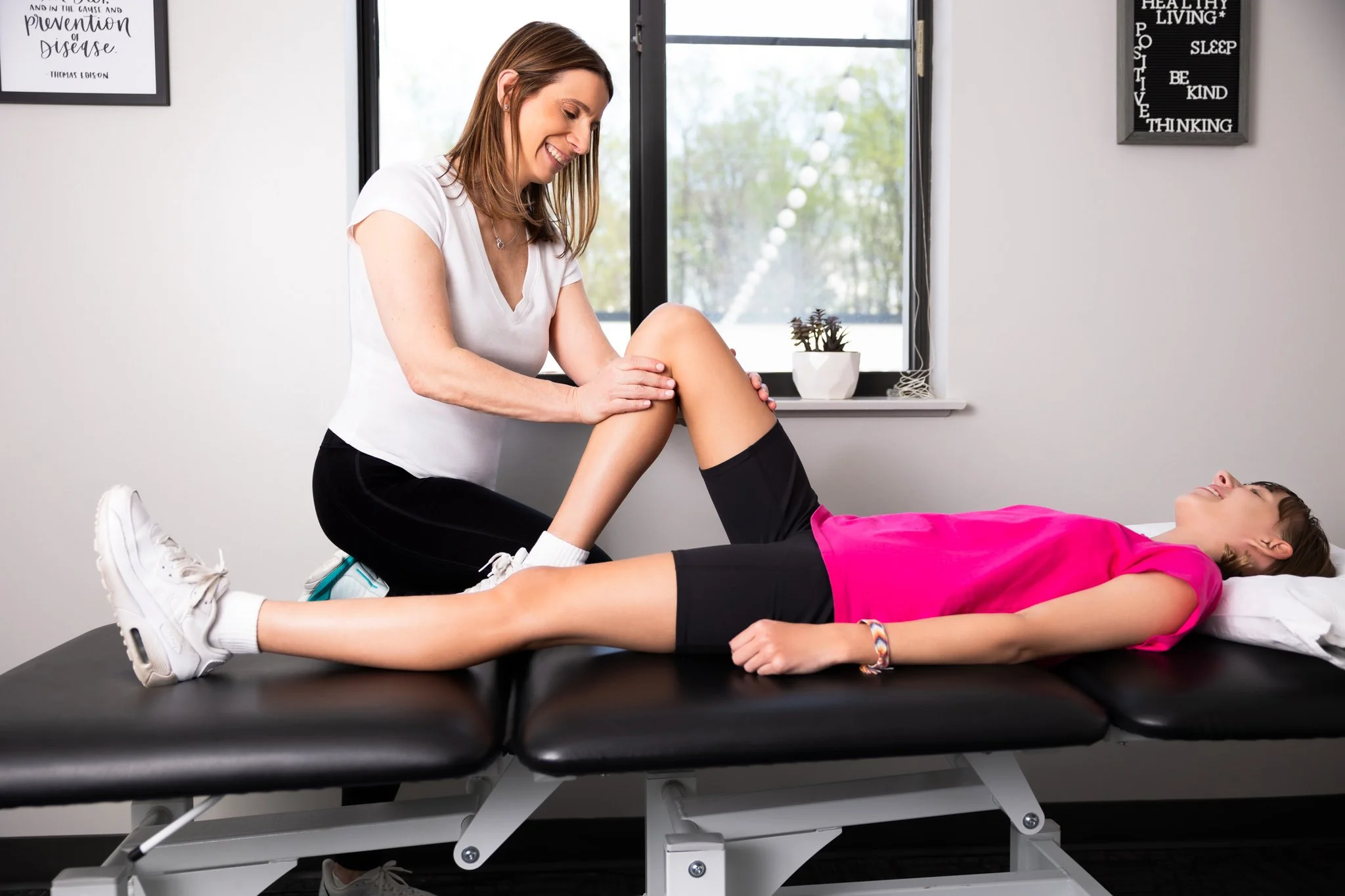
Research on prehabilitation consistently shows that the stronger and more mobile you are before orthopedic surgery, the better your functional outcomes afterward. After surgery, individualized guided rehabilitation, not a generic protocol, is what actually gets people back to doing what they love.
6. Connection and Support: The Recovery Variable Backed by Research
Patients with strong social support report lower post-operative pain, better adherence to rehabilitation, and better functional outcomes after orthopedic surgery. This isn't anecdotal, it shows up consistently in the research across surgical populations.
The mechanism is physiological. Feeling supported by family, friends, and a care team helps regulate the nervous system, reduces cortisol, and shifts the body toward the parasympathetic state where healing is more efficient. Social isolation, by contrast, is independently associated with elevated systemic inflammation.
Support can be help with daily tasks in the early weeks, assist with groceries or meals, someone in your corner at appointments, and a provider who knows your goals, not just your surgical history.
The Whole Picture of Orthopedic Surgery Recovery
Nutrition, gut health, the nervous system, sleep, movement, and community. These are not alternative medicine techniques. They are the foundations of human repair.
My approach to orthopedic surgery recovery coaching is built around this full picture, starting before surgery, not after. Because the patients who recover best aren't just the ones who had excellent surgeons. They're the ones who showed up prepared, stayed consistent, and had the right support around them.
If you're preparing for or recovering from orthopedic surgery, or, supporting someone who is, this is the conversation that can change your outcome.
Ready to build your recovery plan? Schedule a call →