How to Prepare Your Body for Better Recovery from Orthopedic Surgery
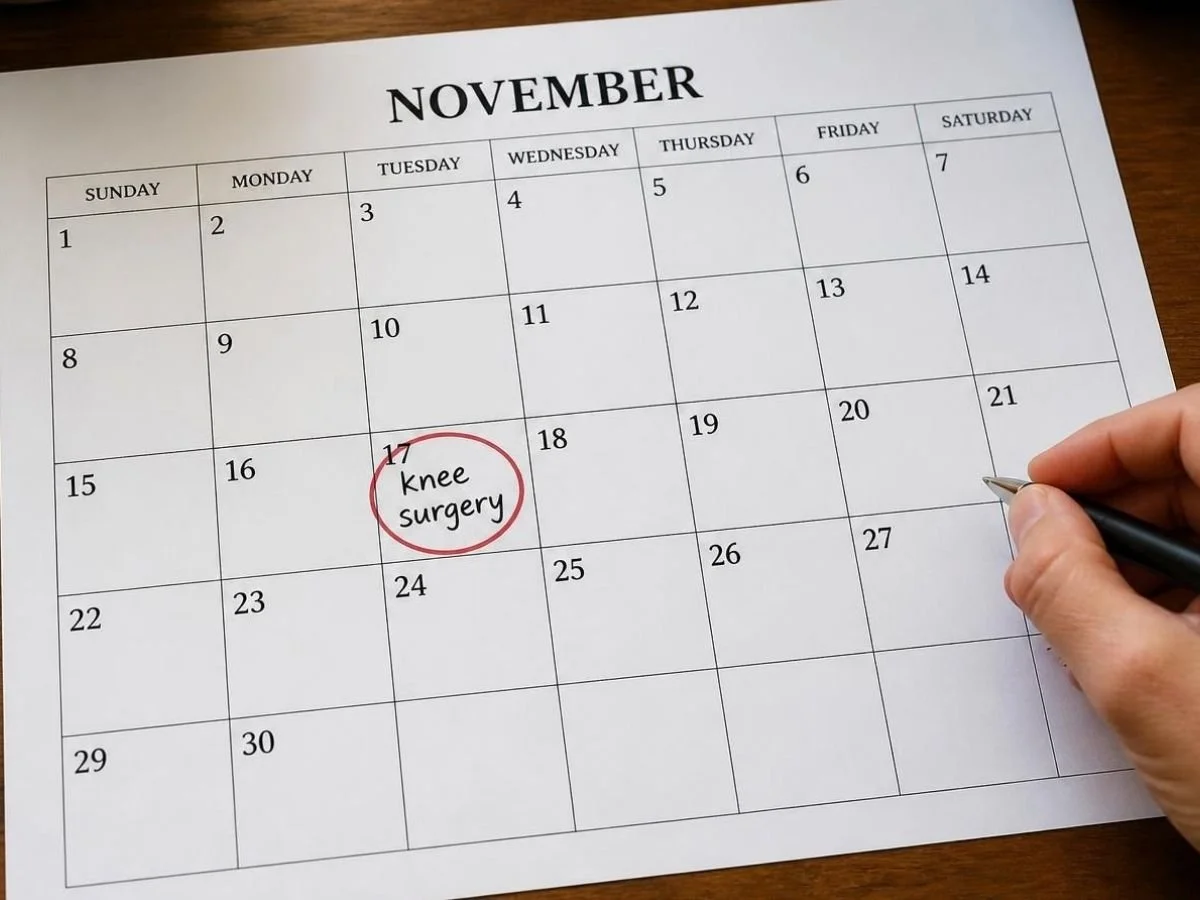
Surgery coming this new year? Here’s how to get ready now to heal faster.
If you’re heading into the new year with an orthopedic surgery on the calendar, you’re not alone. Many people delay joint, spine, or other orthopedic procedures until after the holidays, hoping to start fresh in January. While surgery often feels like the biggest hurdle, what happens before it can play a major role in how smoothly you recover.
Pre-surgical preparation for orthopedic surgery is not about doing everything perfectly. It’s about supporting your body ahead of time so healing feels more manageable once surgery is over.
Keep reading below to learn how to prepare your body for an upcoming orthopedic surgery and why it matters.

Why Pre-Surgical Preparation Matters for Orthopedic Surgery
Orthopedic surgery places significant stress on the body. Muscles, joints, connective tissue, and the nervous system all have to adapt. Inflammation increases, movement changes, sleep is often disrupted, and pain can feel unpredictable.
When your body goes into surgery already depleted or inflamed, recovery can feel slower and more frustrating.
People who prepare for orthopedic surgery ahead of time often experience:
Better pain control after surgery
Improved strength and confidence during early rehab
Fewer setbacks or complications
A smoother return to daily activities
The goal isn’t perfection. It’s resilience.
What Preparing for Orthopedic Surgery Actually Looks Like
Pre-surgical health coaching for orthopedic surgery looks beyond the surgery itself. It focuses on the whole body and it’s interconnected systems that influence healing and recovery.
Here are some key areas to work on before surgery:
Build Strength and Movement Capacity Before Orthopedic Surgery
Even when a joint is painful or injured, there are usually safe movements that can be maintained or improved. Strengthening surrounding muscles and the joints above and below the impacted area, improving mobility where appropriate, and practicing efficient movement patterns can make post-surgical rehab easier.
This also includes learning practical skills before surgery, such as:
Getting in and out of bed, chairs and cars safely
Managing stairs or curbs
Protecting other joints from overcompensating
Practicing with assistive such as crutches, canes, walkers, slings
Learning these skills ahead of time reduces stress and frustration during early recovery.
Support Your Nervous System Before Surgery
Stress and anxiety are common before orthopedic surgery, and they directly affect pain, sleep, and healing. A nervous system that stays on high alert often experiences higher pain sensitivity and slower recovery.
Simple strategies such as breathing exercises, gentle movement, and calming routines can help regulate the nervous system and prepare your body for the demands of surgery and rehabilitation.
Optimize Nutrition and Hydration for Healing
Orthopedic surgery requires your body to repair tissue and manage inflammation. Adequate protein, hydration, stable blood sugar, eating veggies and low glycemic fruit and other key nutrients all support this process. Also, eliminating alcohol, smoking/vaping and decreasing sugar intake will also reduce inflammation, support optimal healing, and set the stage for a smoother recovery
This does not mean following a strict or restrictive plan. Small, realistic nutrition changes made before surgery can help improve how your body responds afterward.
Improve Sleep Before Orthopedic Surgery
Sleep is one of the most overlooked factors in orthopedic recovery. Poor sleep before surgery often leads to more pain, fatigue, and slower healing after surgery.
Addressing sleep habits, routines, and environmental factors ahead of time gives your body a stronger foundation for recovery.
Plan for the Reality of Orthopedic Surgery Recovery
Many people underestimate how challenging the first few weeks after orthopedic surgery can feel. Planning ahead helps reduce stress when energy is low.
This may include:
Preparing your home environment
Setting up a support system for daily tasks
Understanding post-operative restrictions
Setting realistic recovery expectations
Knowing what to expect helps you feel more confident and supported during recovery.
Why Starting Early Makes a Difference
If your orthopedic surgery is scheduled weeks or even months away, that time matters. Early preparation allows changes to happen gradually and gives you space to address concerns before surgery day arrives.
Even a short period of focused pre-surgical preparation can positively influence recovery.
A More Supportive Approach to Orthopedic Surgery Recovery
Orthopedic surgery does not have to feel like something that happens to you. With the right preparation, it becomes something you actively support. This work is designed to prep you before surgery so recovery feels less overwhelming and more intentional.
If you have an upcoming orthopedic surgery and want to feel more prepared going in, pre-surgical health coaching can help you build strength, reduce stress, and create a clearer recovery plan before surgery day arrives.