Gut Health and Post-Surgical Recovery: What Your Body Needs to Heal
If you've had surgery, you've likely been told to rest, follow your rehab plan, and give your body time to heal. All of that matters. But it's not the full picture.
Recovery isn't just about what you do on the outside. It's also about what's happening internally, especially in your gut.
When I tell patients that gut health affects their orthopedic recovery, the first reaction is usually skepticism. What does your gut have to do with your knee? More than most people expect.
Your gut plays a direct role in how your body repairs tissue, manages inflammation, and restores energy. When it's supported, healing tends to feel smoother. When it's not, you may notice slower progress, lingering fatigue, or more discomfort than expected.
Why Gut Health Matters After Surgery
Roughly 70% of your immune system lives in your gut, and your immune system is what drives your healing response after surgery. When your gut is balanced, your body is better able to regulate inflammation and repair tissue efficiently. When it's not, systemic inflammation rises, and that's the last thing you want when your body is trying to carry out a precise, controlled healing response.
There's also a nutrient absorption piece that often gets missed. After surgery, your body has higher demands for key nutrients: vitamin C for collagen production, zinc for wound healing, and magnesium for muscle recovery. If your gut isn't functioning well, you may not fully absorb these nutrients, regardless of how well you're eating.
Common post-surgical factors like antibiotics, pain medications, and changes in appetite or digestion can further disrupt your gut microbiome, making an already demanding recovery even harder. This is why what you eat in the weeks following surgery isn't just about fuel. It's about actively restoring the internal environment your body needs to heal.
Signs Your Gut May Be Holding Back Your Recovery
After surgery, it's easy to focus on mobility milestones or getting stronger. But your gut can give you important signals about how your body is actually healing. These symptoms are easy to dismiss as normal post-surgical experiences, but they can point to a gut that's inflamed, imbalanced, or struggling to keep up with the demands of recovery:
Bloating or gas after meals
New food sensitivities
Ongoing fatigue, even with adequate sleep
Brain fog or feeling mentally sluggish during the day
Irregular digestion or changes in bowel habits that persist beyond the first week or two
None of these are things you just have to push through. They're information, and they're worth paying attention to.
Gut-Friendly Foods That Support Post-Surgical Healing
The foods you eat after surgery can actively support your recovery, especially when they help nourish your gut lining, reduce systemic inflammation, and restore microbial balance. Here's what to focus on:
Fermented foods like kefir, yogurt with live cultures, sauerkraut, and kimchi introduce beneficial bacteria that help restore microbiome balance after antibiotics and anesthesia. This is one of the most evidence-supported categories for post-surgical gut recovery and one of the most commonly overlooked.
Prebiotic-rich foods like garlic, leeks, oats, and bananas feed the beneficial bacteria already living in your gut. Probiotics and prebiotics work together, so pairing them matters.
Bone broth is a gentle, easy-to-digest source of amino acids including glutamine, glycine, and proline, which may support gut lining integrity and tissue repair. The evidence is still emerging for gut-specific claims, but its nutrient profile and digestibility make it a practical choice, especially in the early post-op period when appetite is low.
Omega-3 fats from salmon, sardines, flaxseeds, and chia seeds help regulate the inflammatory response and support microbiome diversity.
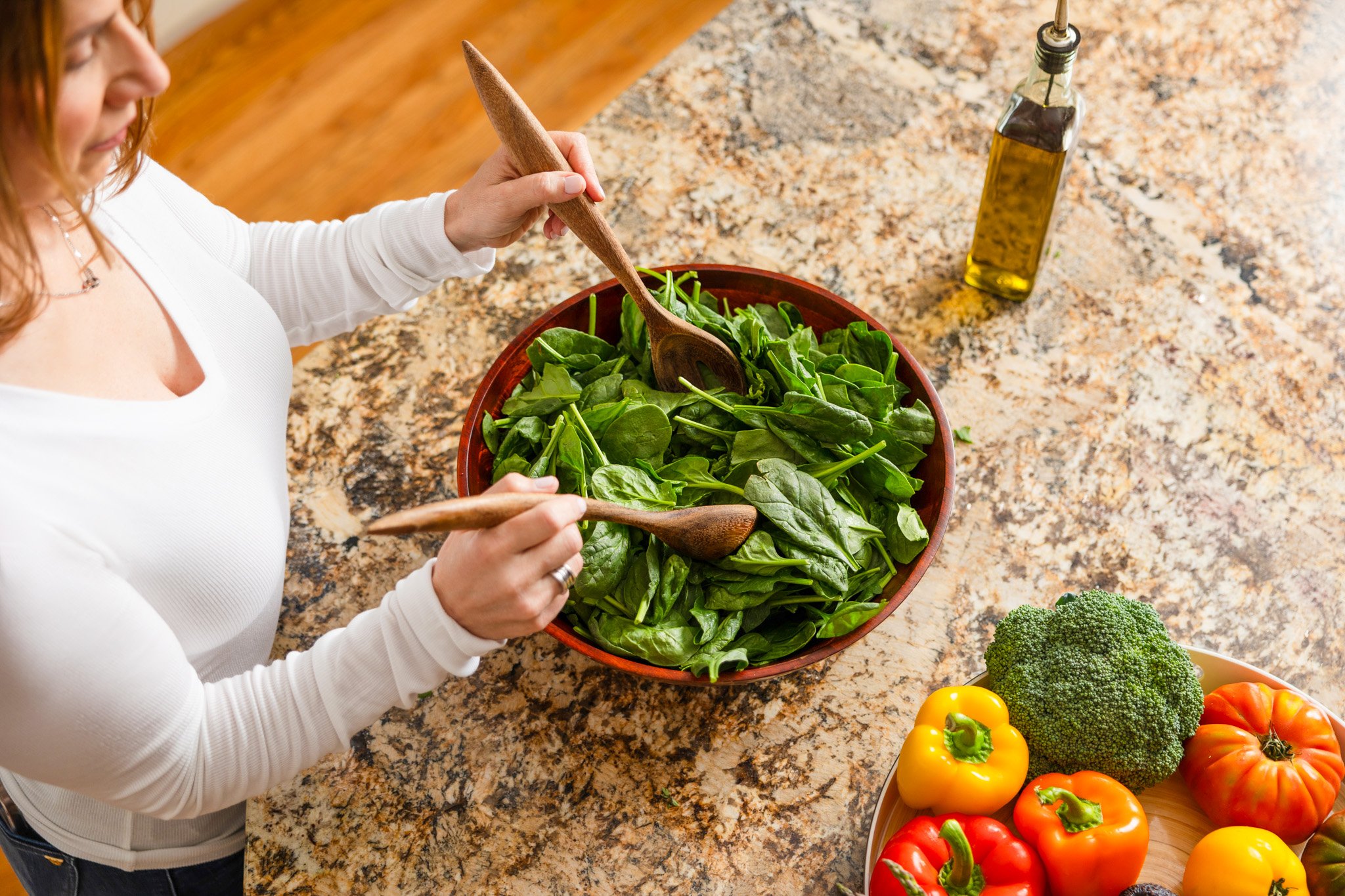
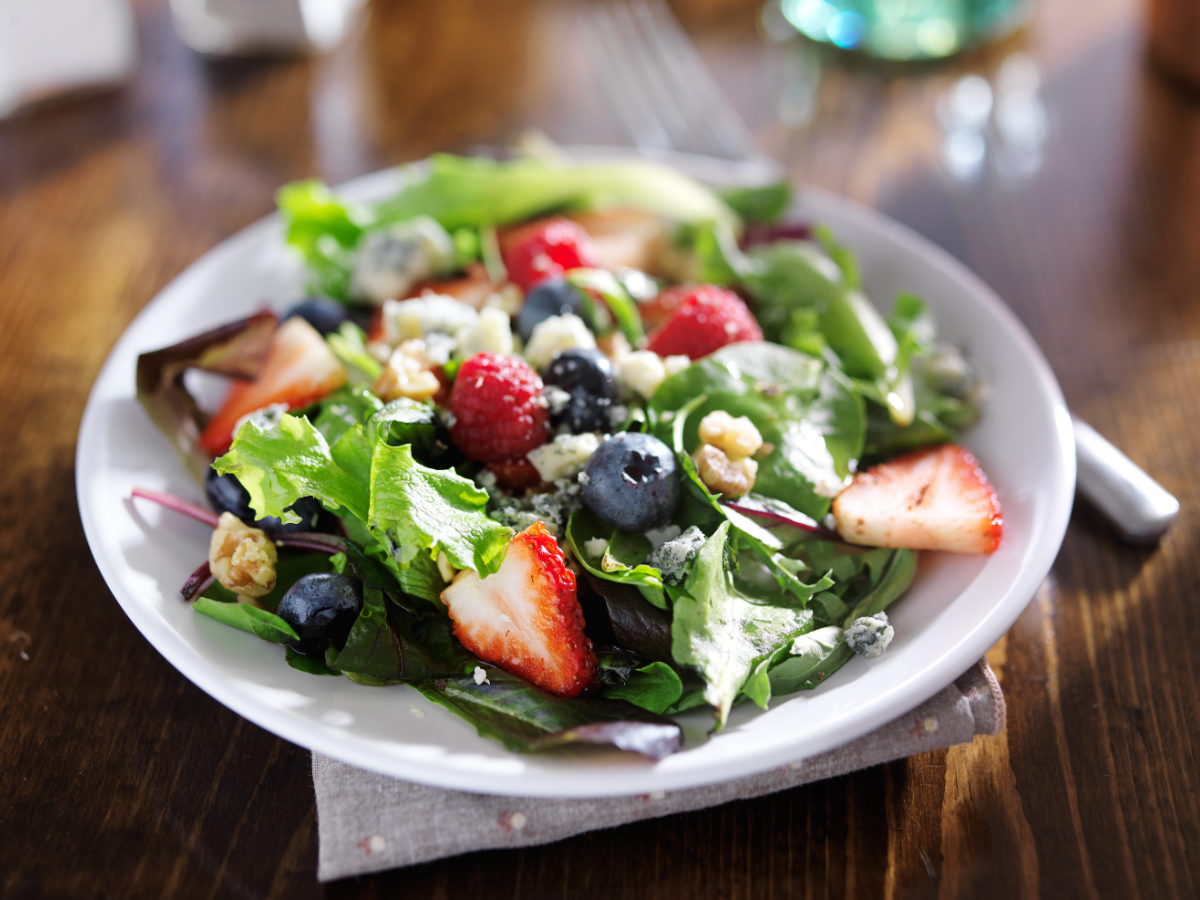
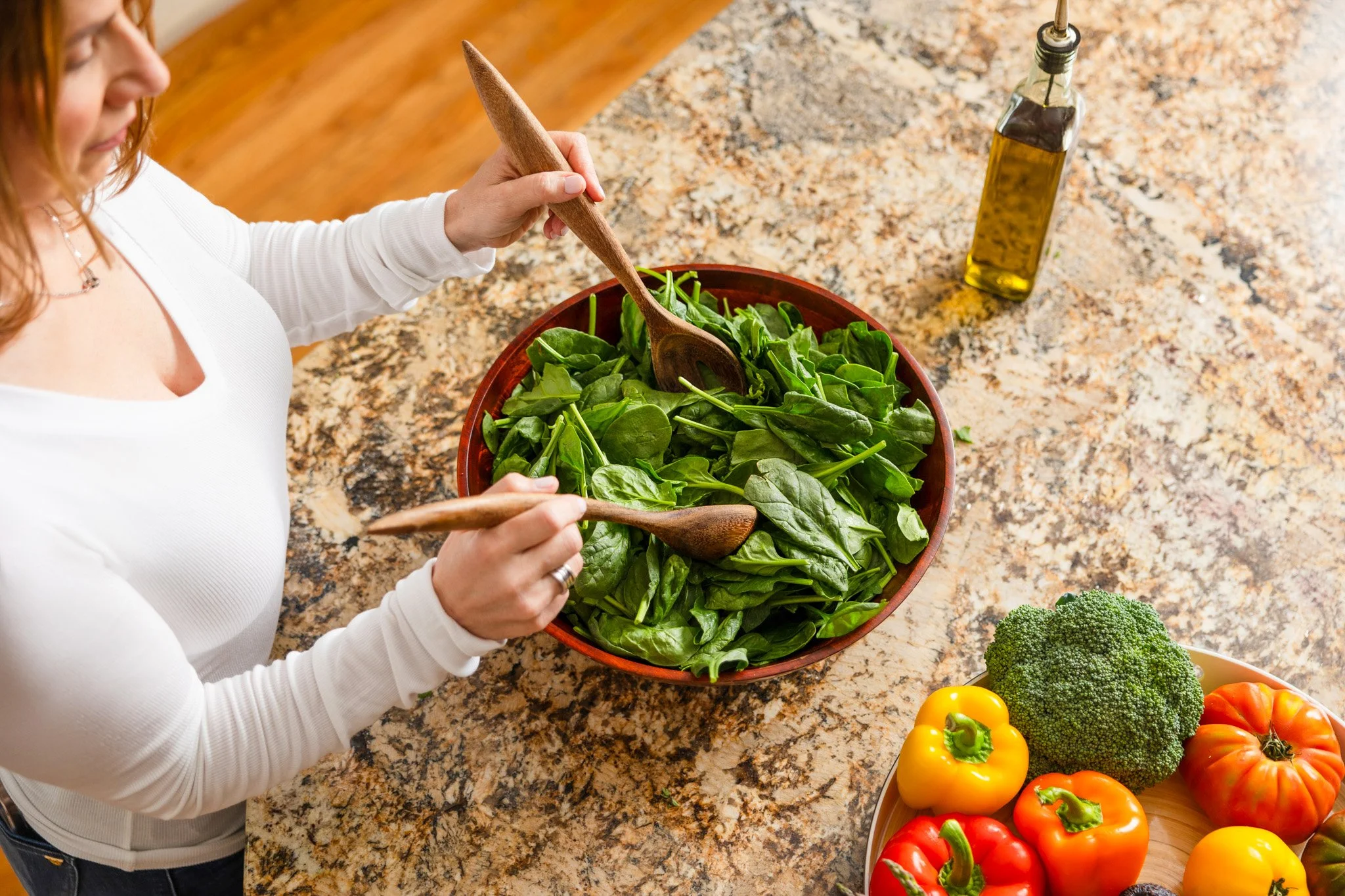
Antioxidant-rich vegetables and fruit like berries, leafy greens, and colorful produce protect cells from oxidative stress and support immune function throughout recovery.
These aren't superfoods or quick fixes. Think of them less as a checklist and more as a foundation. The more consistently you incorporate them, the more your gut can do its job.
What to Limit During Recovery: Foods That Interfere with Healing
If you're dealing with low energy, slow healing, or lingering discomfort after surgery, your gut may be part of the picture, and it's something we can actually address.
I work with surgical patients to build personalized pre-op and recovery plans that go beyond standard rehab, incorporating nutrition, gut health, and the other factors that determine how fully and efficiently you heal.
Ready to feel better and heal with more confidence? Send me a message to get started.
Want a Recovery Plan That Works with Your Body?
If you're dealing with low energy, slow healing, or lingering discomfort after surgery, your gut may be part of the picture, and it's something we can actually address.
I work with surgical patients to build personalized pre-op and recovery plans that go beyond standard rehab, incorporating nutrition, gut health, and the other factors that determine how fully and efficiently you heal.
Ready to feel better and heal with more confidence? Send me a message to get started.