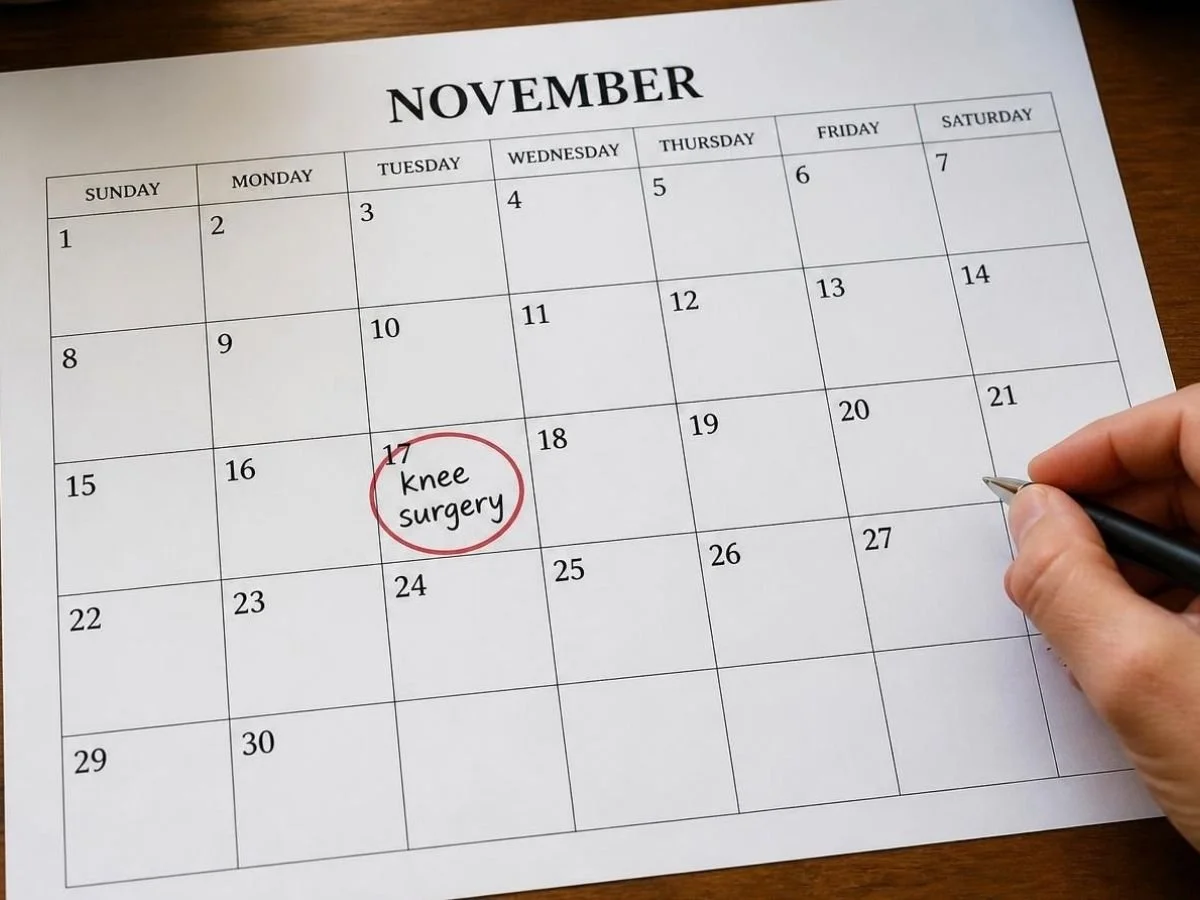
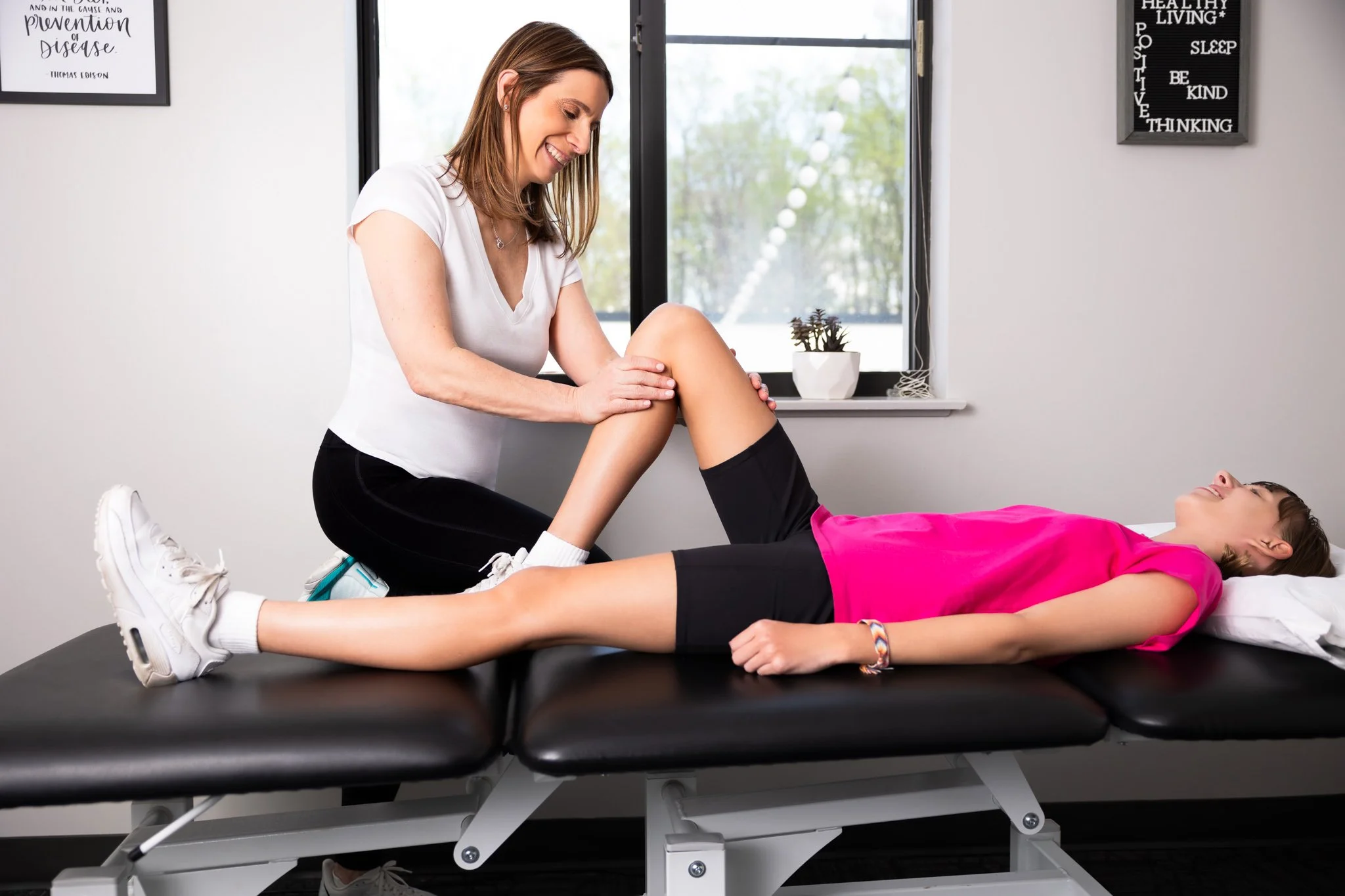
The call comes, or the portal message, or the scheduler hands you a card. You have a date for your knee replacement, hip replacement or other orthopedic surgery.
For a moment there's relief. After months, maybe years, of pain and putting it off, there's finally a plan.
Then the questions start. What should I be doing now? What will I need at home? Who do I even ask? Some of it is fear, but most of it is uncertainty, and a blank stretch of calendar between today and that date.
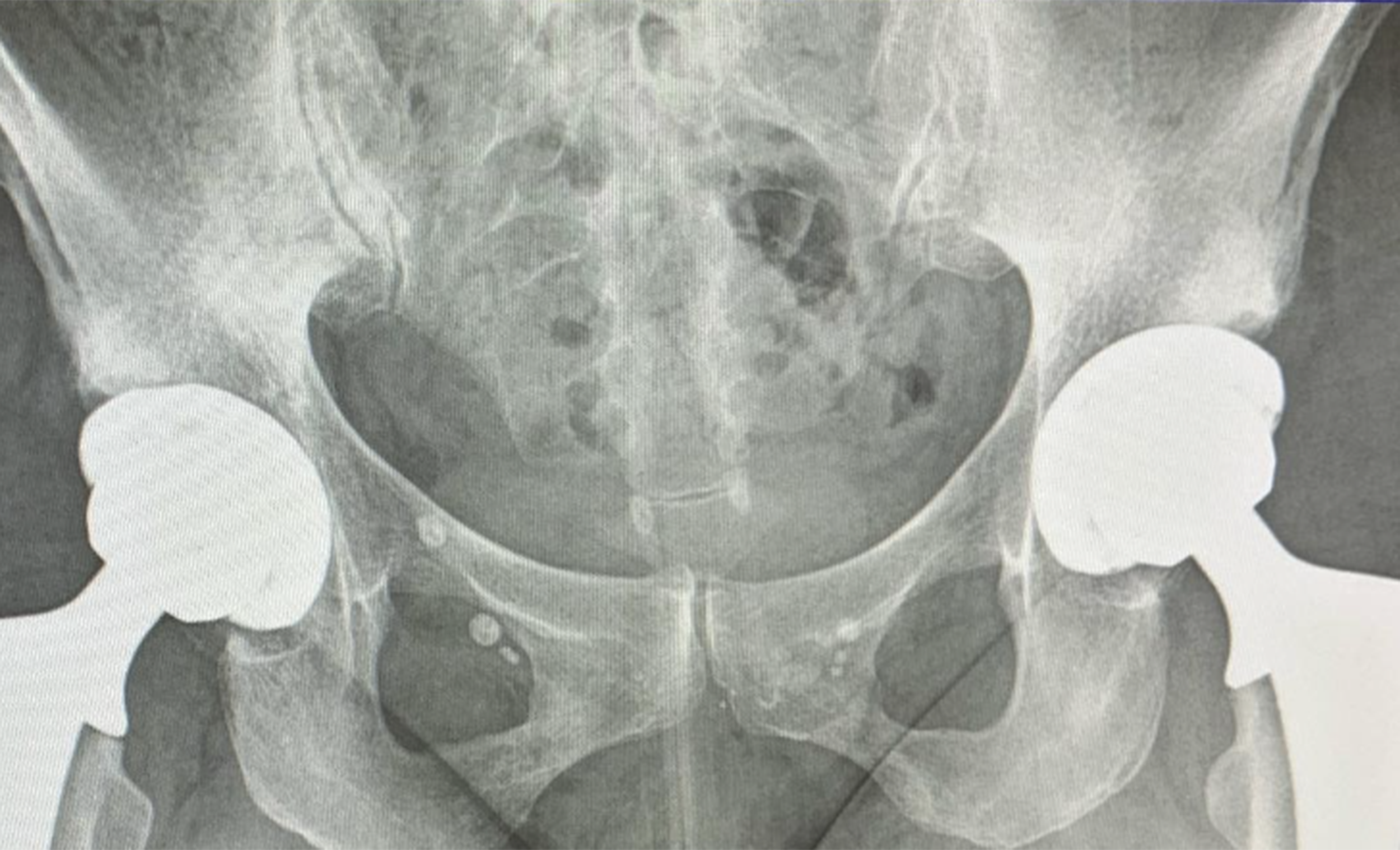
I know that stretch well. Nearly five years ago, I had both of my hips replaced on the same day, and I remember counting down to it. Most people I work with spend those weeks the same way: waiting and worrying. They wince on the stairs, and as the date gets closer, the only thing that changes is that they're more tired and more anxious than the day they booked it.
If that's where you are right now, I want you to hear this. Those weeks are not a waiting room. They are the one part of your surgical journey where you have leverage, and learning how to prepare for orthopedic surgery can change how you walk into it.
Your surgeon controls the operation. You control the body that heals from it.
The outcome of any orthopedic surgery comes down to two things: the operation itself, and your body's capacity to heal from it.
The first gets enormous attention, and it should. Your surgeon has spent years mastering that operation, and they are excellent at it.
The second gets almost no attention. Your primary doctor clears you for surgery, but preparing your body to heal isn't anyone's job. Your surgeon owns the procedure. The hospital owns the day of. Your physical therapist usually sees you afterward. The weeks in between belong to no one. That's a gap in the system.
That gap is exactly where surgical health coaching fits, because those weeks matter more than most people realize.
I like to think of your health as a savings account. The goal isn't to get by on the bare minimum. It's to build more capacity than you currently need. Everything you do for your health, how you eat, sleep, move and manage stress, adds to your health reserve. Surgery is a big withdrawal. It's one reason two people can have the same operation with the same surgeon and heal very differently. The weeks before surgery are your chance to make a deposit, so you have more to draw on when you need it.
The pre-op packet problem (and how surgical health coaching helps)
If you're having a knee replacement or hip replacement, you may already have it: the packet. Sometimes it's dozens of pages of medication instructions, skin prep, equipment lists, exercises and hospital checklists.
There is genuinely important information in there, and it comes from a good place. Still, I hear the same thing from patient after patient: it's too much. Some flip through it, feel overwhelmed and put it in a drawer. Others read every page and still can't tell what matters most or where to start.
There's a reason for that. The packet has to be written for every patient. You're just one of them, with your own kitchen, your own bed, your own stairs and your own people. As a surgical health coach, part of what I do is sit down with that packet alongside you and help turn it into a plan that fits your actual life. Not replacing your surgeon's instructions, but helping you follow them and even build on them.
How to prepare for knee or hip replacement: the six pillars
If you've been following along, you know the six pillars I use to support healing. They're the foundation of every pre-surgical coaching session I do. Here's how each one applies before your procedure. (For the full series, start here: How to Get Your Body Ready for Surgery: A 6 Step Surgery Prep Plan)
Nutrition and hydration. Healing is construction work, and your body needs raw materials to do it: protein, fluids and the nutrients that support tissue repair. Many people head into orthopedic surgery under-fueled without realizing it. The weeks before are your chance to build a better baseline and plan how you'll eat when you're home and not up for much.
Gut health. Your gut is where all that nutrition actually gets absorbed, and it plays a role in inflammation and immune function, both of which matter for healing. Surgery is hard on it. Anesthesia, pain medication and time spent lying still can all slow digestion, and many people are caught off guard by how uncomfortable those first days can be. Building fiber, fluids and gut-friendly foods into your routine now, and planning ahead with your team for how you'll keep things moving afterward, can spare you a miserable stretch that's easy to overlook.
Sleep. A large share of your body's repair work happens while you sleep. Pain disrupts sleep, and poor sleep can make pain feel worse. It's a loop, and it's much easier to work on it before surgery than after. That includes planning where and how you'll sleep once you're home.
Movement and mobility, when indicated. Depending on your surgery and what your team has cleared, maintaining strength and range of motion beforehand can mean you bring more into your orthopedic surgery recovery. Time in bed causes muscle atrophy and decreases strength quickly, so what you walk in with matters. Not everyone should be exercising before surgery, which is exactly why this pillar is personalized.
Community and connection. Who is driving you home? Who is checking on you on day six, when the meal train stops coming? Most of us are terrible at asking for help. Deciding now who helps, and with what, takes a huge weight off later.
Stress and your nervous system. Surgery isn't only a physical event. It's also a psychological event. Most people carry fear into it: fear that it won't work, fear of the pain, fear of how long it will take to get back to the things they love. That fear keeps your nervous system on high alert, and in that state, healing isn't your body's priority. The weeks before surgery are the ideal time to practice simple calming techniques, so you have strategies in place before you need them on the post-op side. (More on this in How Stress Affects Your Healing After Orthopedic Surgery)
Alongside the pillars, two practical pieces round out your plan.
Your pain toolkit: Medication decisions belong to your surgical team. Beyond that, there's a whole toolkit: ice, gentle exercises and breathing techniques. The time to learn these tools is before you need them, not when you're sore and foggy on day two.
Your household readiness checklist, when it applies: Throw rugs, stairs, bathroom setup, where your everyday things live, meals in the freezer. Walk through your home as the person you'll be two days after surgery. You'll see it differently.
What most people do instead
They wait. They Google "what to do before knee replacement" at 2am and land on forums full of ideas both good and bad. They arrive on surgery day having changed nothing about their sleep, their eating, their stress, their home or their plan.
I don't say that with any judgment. Nobody told them there was another option.
Why four to six weeks of prehabilitation is enough
This is where people are usually surprised. You don't need six months to make a difference. You're getting your body and your household ready for one specific event.
Improving sleep habits, building up protein and hydration, supporting your gut, practicing pain strategies and calming techniques, setting up your home, lining up your support: all of that happens on a scale of weeks, not months.
In nearly 30 years of practice, what I see is that people who are prepared walk into surgery calmer, better rested and with a clear plan. The research increasingly supports it, too. Prehabilitation is a growing area of study for hip and knee replacement. Looking across many studies, researchers find that people who are prepared go into surgery with better function and less pain. However, how healing progresses really does vary by the procedure, program and the individual. No one can promise a particular result. Starting from a stronger, steadier place simply gives your body more to work with.
What a 90-minute pre-surgical health coaching session actually is
No mystery here. It's one focused conversation.
We look at the full picture through a PT and functional medicine informed lens: all six pillars, your home, and anything that might be quietly getting in the way of healing. Bring your packet if you have one. We'll sort out what matters most for you.
You leave with a personalized, prioritized plan for the weeks you have left before surgery, so you know exactly what to do first and what can wait. If you're already on the other side of surgery and feeling stuck, I offer post-surgical coaching sessions too.
Those weeks will pass either way
Think back to that blank calendar between today and your date.
Those weeks are going to go by no matter what. The only question is whether you spend them waiting, or spend them getting ready.
If you have an orthopedic surgery date on the calendar, book your 90-minute pre-surgical health coaching session below.
Check out the blog to learn more.