Recovering from Orthopedic Surgery: Why Your Support System Matters More Than You Think
When people think about recovering from orthopedic surgery, they usually focus on the physical pieces: the procedure itself, physical therapy, and maybe nutrition.
Having people around them rarely makes the list.
It should.
One of the most consistent predictors of how well someone recovers after orthopedic surgery isn't just what happens in the operating room or even in rehab. It's the level of connection and community they have around them. If you want a broader look at all the factors that drive healing, read How to Recover From Orthopedic Surgery: A Functional Medicine Approach. This blog focuses on one piece of that picture that rarely gets enough attention.
The Research Is Clear: Social Connection Impacts Recovery Outcomes
This isn't just a "nice to have."
Patients with strong social networks consistently report:
Lower post-operative pain
Better adherence to rehabilitation plans
Faster return to daily activities
Better overall functional outcomes
When patients feel isolated or disconnected, the body recognizes that stress. The research links increased stress directly to increased inflammation and a slower path to healing.
So while having people around you may feel like a soft factor, it has very real physical consequences.
Why Social Connection Affects Your Body Physically
This is where things get interesting.
Having people around you doesn't just help emotionally. It directly affects your physiology.
When you feel safe and connected, your nervous system shifts out of a constant stress response. Cortisol levels decrease, your body moves toward a more regulated state, and healing processes can work more efficiently.
When you feel overwhelmed or disconnected, your body stays in a heightened stress state. That can increase pain sensitivity, slow tissue repair, and make recovery feel harder than it needs to be.
Healing doesn't just depend on what you do. It depends on the state your body is in while you're doing it. The same is true for gut health. This is another internal system that directly influences how your body heals. You can read more about that connection here:Gut Health and Post-Surgical Recovery: What Your Body Needs to Heal.
What Practical Help Actually Looks Like During Recovery
You don't need an elaborate system. In most cases, it's the practical, everyday assistance that makes the biggest difference.
That might look like:
Someone helping with meals or groceries in the early weeks
A ride to and from appointments
Help with household tasks while mobility is limited
Someone sitting with you during long or difficult days
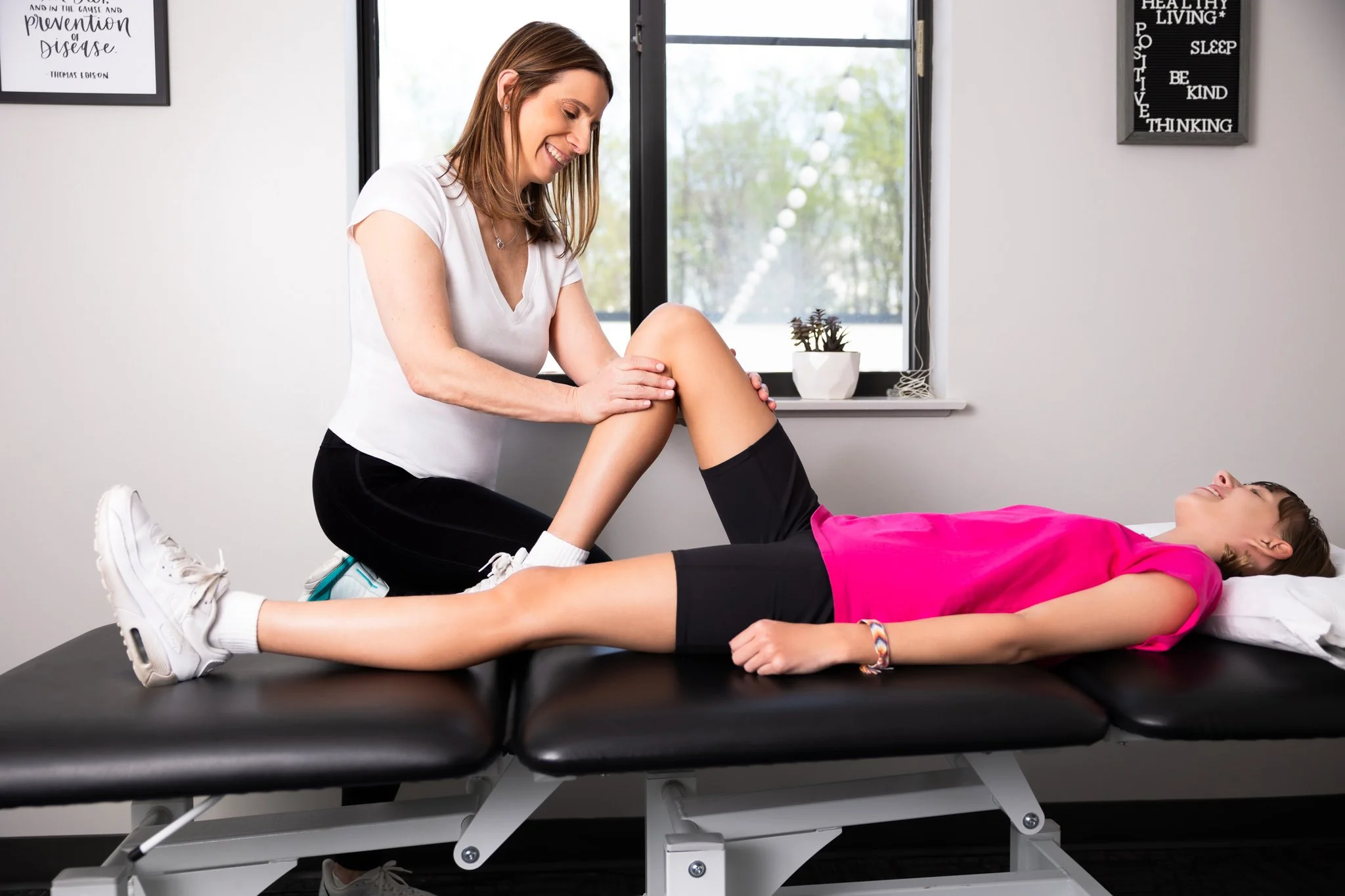
A care provider who understands your goals, not just your surgical protocol
These small layers of practical help reduce the physical and mental load on your body so it can focus more energy on healing.
Why So Many People Try to Do It Alone
This one is worth talking about openly.
Most people don't avoid asking for help because they're stubborn. They avoid it because asking feels uncomfortable. They don't want to be a burden. They worry about inconveniencing the people they love. They tell themselves they'll figure it out and they genuinely believe they will.
That's not a character flaw. That's just human nature.
The reality is that recovering from orthopedic surgery is more demanding than most people expect. Trying to carry it alone often leads to:
Increased fatigue
Missed rehab exercises
Higher stress levels
Slower overall progress
Accepting help during recovery isn't a sign of weakness. It's one of the smartest things you can do for your healing. The people who care about you want to show up for you. Letting them is part of the process.
Connection Improves Consistency, and Consistency Drives Results
Recovery is built on repetition, not perfection.
It's about doing the right things consistently over time. This is where having the right people around you becomes a real differentiator.
When you're not navigating it alone:
You're more likely to follow through with your rehab plan
You're better able to stay on top of nutrition and hydration
You're less likely to skip the small habits that add up over time
The right environment creates the conditions for consistency. Consistency is what leads to better outcomes.
Your Clinical Team Matters More Than You Think
Beyond friends and family, the professionals guiding your recovery are a critical part of the picture.
Having providers who:
Listen to your concerns
Understand your lifestyle and goals
Adjust your plan based on how you're actually doing
...can make a significant difference in how confident and clear-headed you feel throughout the process.
You're not just recovering from surgery. You're rebuilding how your body functions. That requires clinical guidance that goes beyond a standard protocol.
How to Set Yourself Up Before Surgery
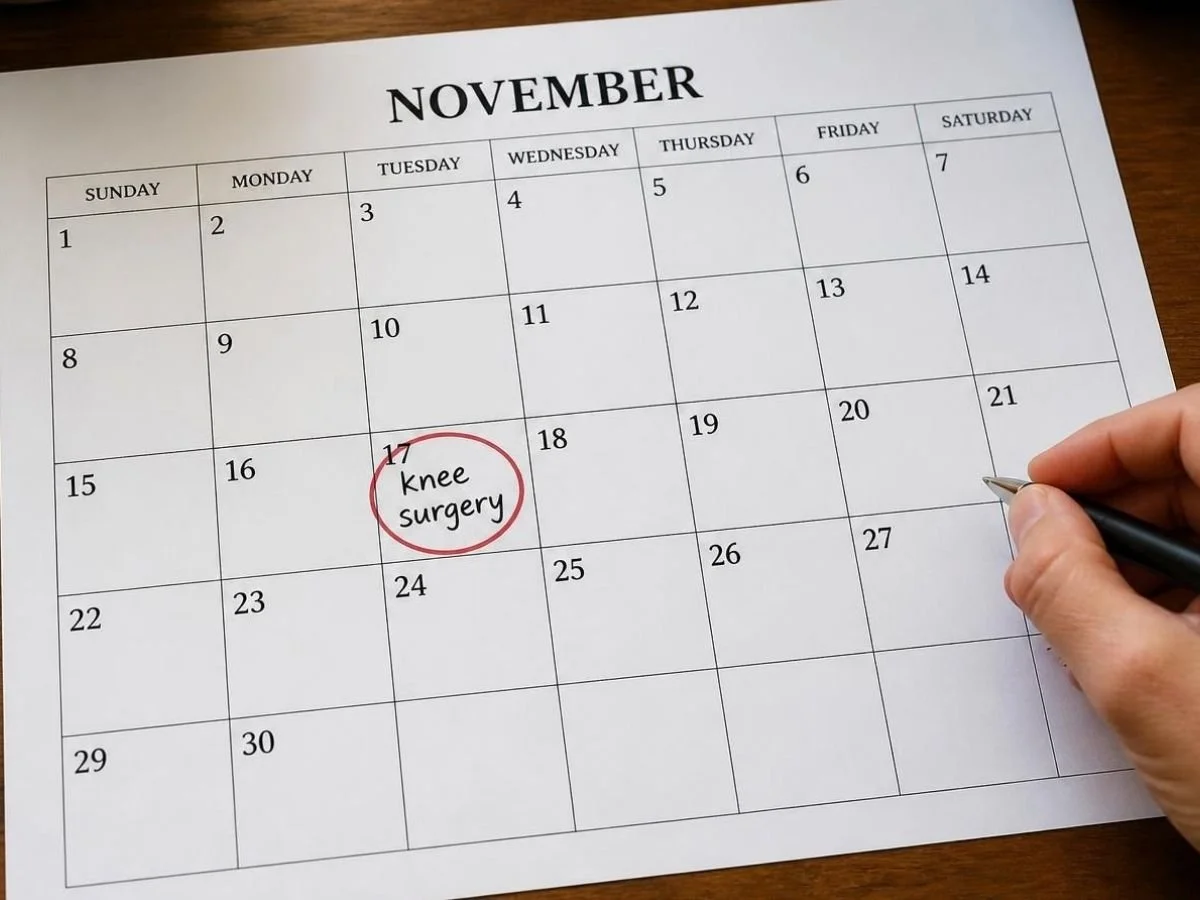
The best time to think about this isn't after surgery. It's before.
A few simple steps can make a big difference:
Identify who can help with specific tasks (meals, rides, childcare, etc.)
Set realistic expectations about what the first few weeks will look like
Communicate clearly about what you might need
Build a clinical team that aligns with your goals
Planning ahead reduces stress and makes it easier to actually accept help when you need it. For a full step-by-step plan covering everything from nutrition to movement to mindset, read How to Prepare Your Body for Better Recovery from Orthopedic Surgery.
The Bottom Line
Connection, practical help, and the right clinical guidance are not extras in the orthopedic surgery recovery process. They are part of the foundation.
When your body feels safe and regulated, it heals more efficiently. When you're not carrying the logistical and emotional load alone, you're more consistent, less overwhelmed, and better able to follow through on what your recovery actually requires.
The patients who recover best aren't just the ones who had a skilled surgeon. They're the ones who showed up to recovery with a full team behind them.
Want Personalized Guidance for Your Recovery?
If you're preparing for surgery or currently recovering from surgery and feeling like it's a lot to manage, you don't have to figure it out alone.
Asking for help from the people around you and from the right clinical team is not a detour from your recovery. It's a direct path through it.
Reach out to learn how personalized recovery care in the Potomac and Bethesda area (or online) can help you move through this process with more clarity and confidence.