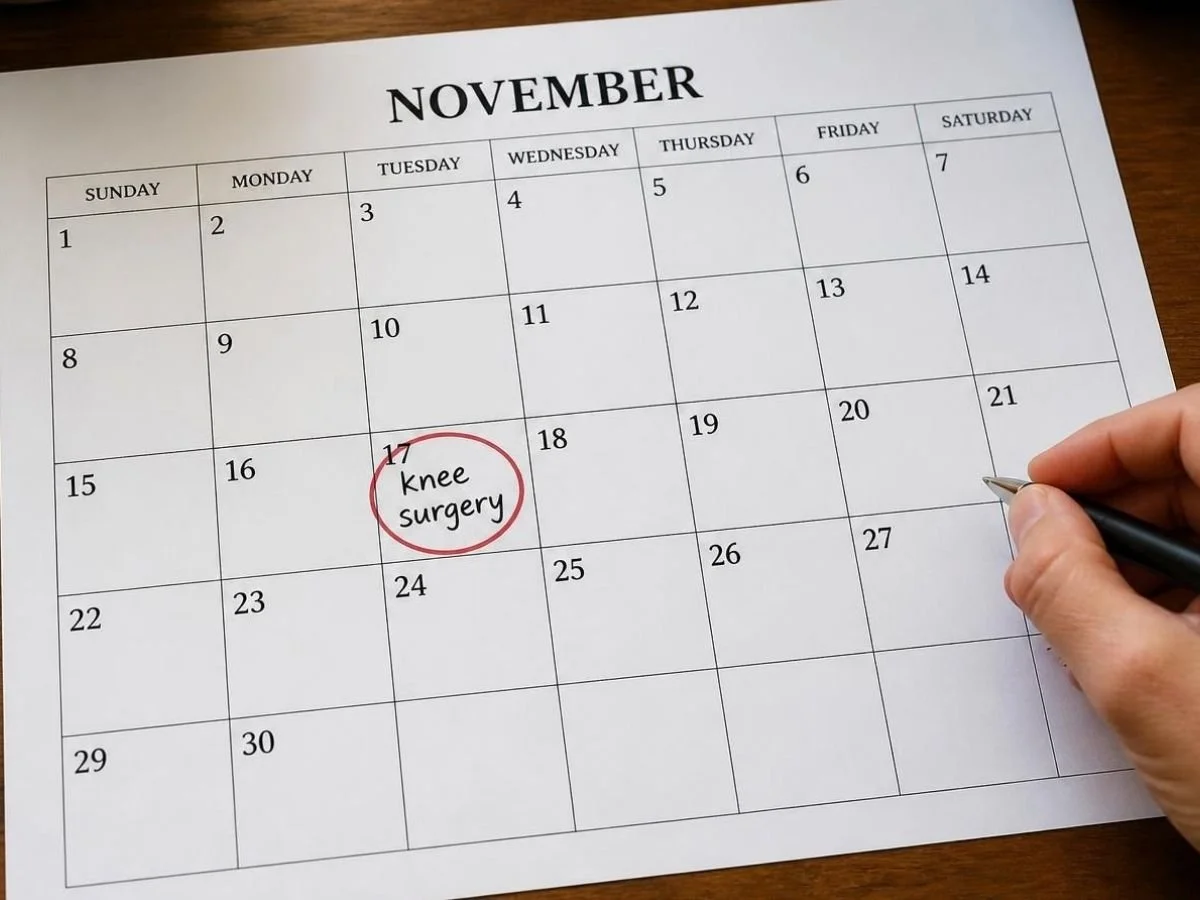
Rest vs. Movement After Surgery: Finding the Right Balance
After surgery, most patients get one clear instruction: rest. And while rest is absolutely essential in the early days of post-surgical recovery, it tells only half the story. The other half? Movement. Specifically, the right movement, at the right time, in the right amount.
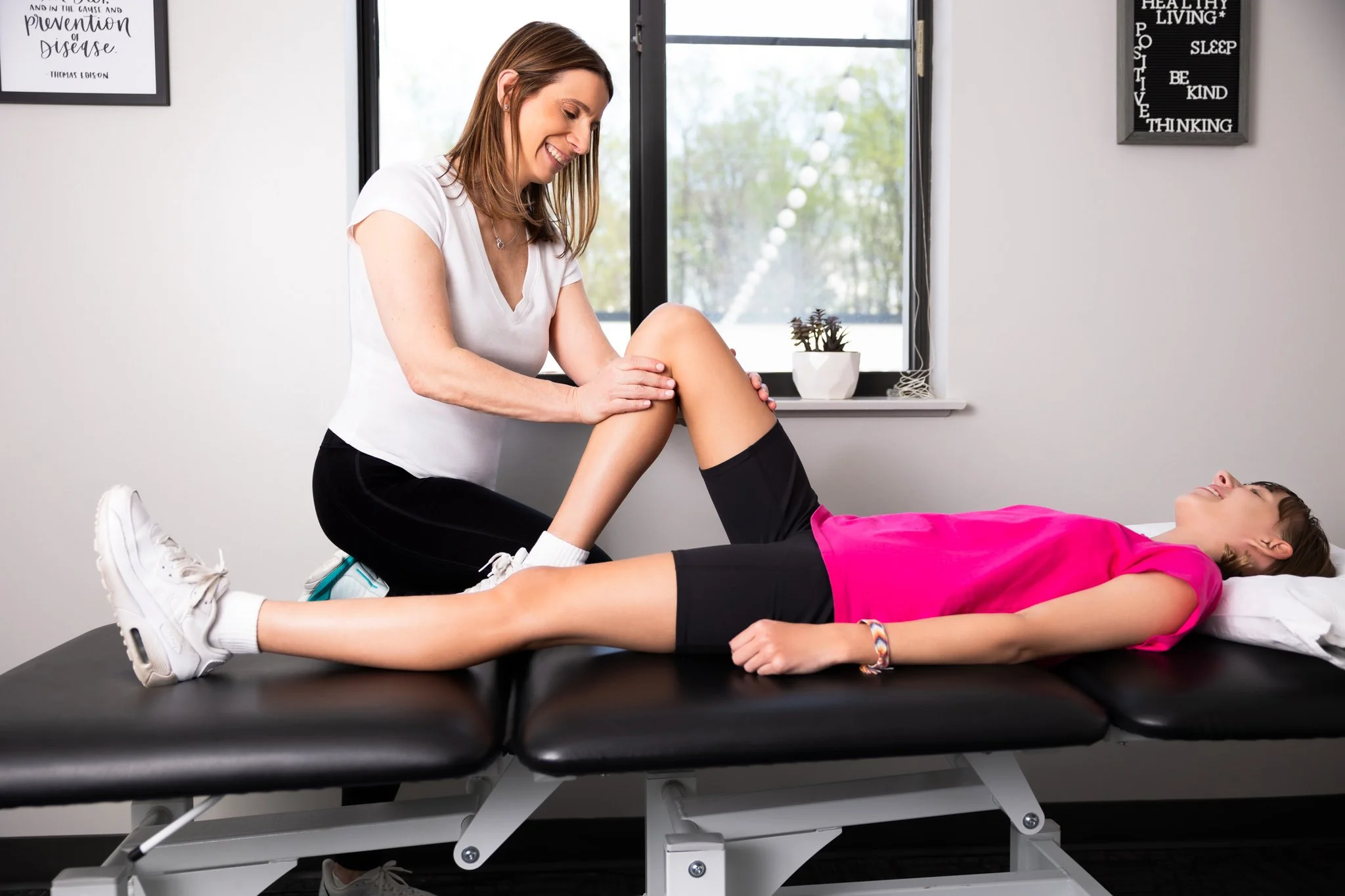
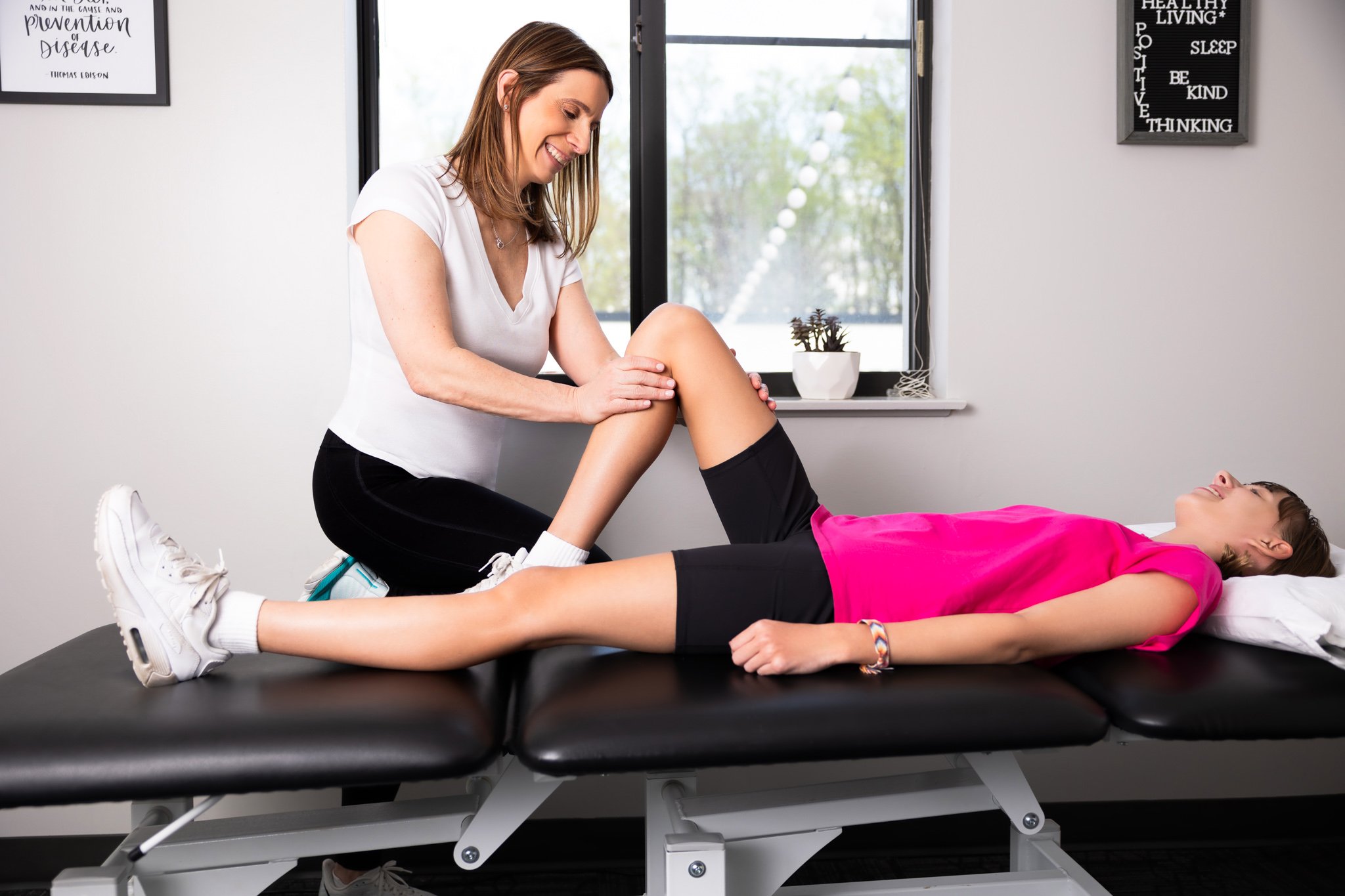
As a physical therapist specializing in orthopedic recovery coaching, I see the same two patterns play out again and again: patients who rest too long and patients who push too hard, too soon. Both paths can slow your recovery. The goal is the balance between them.
Why Rest Alone Won’t Heal You After Surgery
It makes intuitive sense: your body just went through something major, so you rest and let it heal. But prolonged inactivity after surgery creates its own set of problems.
When you stay still for too long after surgery, research shows you risk:
Muscle atrophy. Even a few days of inactivity can trigger measurable muscle loss
Joint stiffness and scar tissue buildup that limits your range of motion
Poor circulation, which slows tissue healing and increases your risk of blood clots
Deconditioning that makes it much harder to return to normal activity later
Mood changes and increased pain sensitivity, both of which are tied to physical inactivity
Post-surgical recovery is not a passive process. Your body is actively rebuilding tissue, reestablishing nerve connections, and recalibrating how you move. It needs input to do that well.
The Risks of Moving Too Soon After Surgery
On the other end of the spectrum, jumping back into activity before your tissues are ready is one of the most common causes of post-surgical setbacks. This does not just mean going back to the gym or your sport. It can be as simple as walking too far, too soon, or resuming household activity without guidance.
Moving without proper timing and guidance can result in:
Re-injury to the surgical site or a compensatory injury in a neighboring area
Excessive inflammation that delays tissue repair
Abnormal movement patterns (compensations) that can become chronic problems if left unaddressed
Increased pain that makes patients fearful of movement altogether, creating a cycle that’s hard to break
This is why post-surgical recovery is not about how quickly you can return to movement. It is about how intelligently you return to movement.
What the Right Balance Actually Looks Like
Effective post-surgical recovery is not one-size-fits-all. It depends on the type of surgery, your baseline health, your goals, and how your body is responding at each stage of healing. That said, a well-structured approach consistently includes the following elements:
Stage-appropriate movement
Movement that matches where you are in the healing process, not where you want to be. Early-phase recovery looks very different from mid-phase and return-to-function or sport phases, and what helps in one stage can harm in another.
Strategic rest
Not passive rest, but purposeful rest. This means knowing when to stop, scheduling intentional recovery windows between movement sessions, and recognizing that pushing through fatigue post-surgery is not a sign of strength. It is a way to stall your progress.
Education and guidance you can trust
One of the biggest obstacles I see in recovery is fear: fear of moving, fear of pain, fear of doing the wrong thing. When patients understand what is actually happening in their body at each stage of healing, that fear becomes manageable. Confidence in your recovery process is not a luxury. It directly affects how well you heal.
Common Questions About Recovery After Surgery
How long should I rest after surgery before starting movement?
This varies depending on the type of surgery, but in most cases, some form of gentle, intentional movement begins within the first 24 to 72 hours. “Rest” after surgery rarely means complete immobility. Your surgeon and physical therapist will guide specific timelines based on your procedure.
How do I know if I’m moving too much or too little during recovery?
Pain that lingers hours after activity, increased swelling, or significant fatigue are signs you may have overdone it. On the flip side, progressive stiffness, increased pain without activity, and worsening mood can signal that you are not moving enough. Your PT can help you read these signals accurately.
Is physical therapy necessary after every surgery?
For orthopedic surgeries especially, yes. Even if your surgeon does not prescribe it, working with a physical therapist significantly reduces the risk of complications, compensatory movement patterns, and prolonged recovery. A 1:1 coaching approach goes further by addressing the full picture of your recovery, not just the surgery itself.
You Do Not Have to Figure This Out Alone
Post-surgical recovery is one of the most significant healing processes your body will go through. You deserve more than a generic handout and a follow-up appointment six weeks out.
My 1:1 Post-Surgical Recovery Coaching Program is designed to give you personalized guidance based on your surgery, your body, and your goals. We work together on the movement and recovery strategies that matter most at each stage of healing, so you recover smarter, not just faster.
If you are ready for a recovery plan that is actually built around you, I would love to connect. Book a call to get started.