How to Travel With an Injury or Joint Pain
5 Practical Tips to Reduce Joint Pain and Arrive Comfortably
Whether you're getting ready for surgery, recovering from surgery, managing pain, or feeling the wear and tear of midlife, travel can be both exciting and physically taxing. If you have ever wondered how to travel with an injury in a way that keeps your joints calm and your stress lower, you are not alone. Long car rides, airport lines, and unfamiliar beds and pillows often stir up stiffness, swelling, or flare ups. With a little planning and body awareness, you can protect your joints and enjoy the journey.
Keep reading below for tips on traveling with joint pain that help you arrive with less pain and more peace.
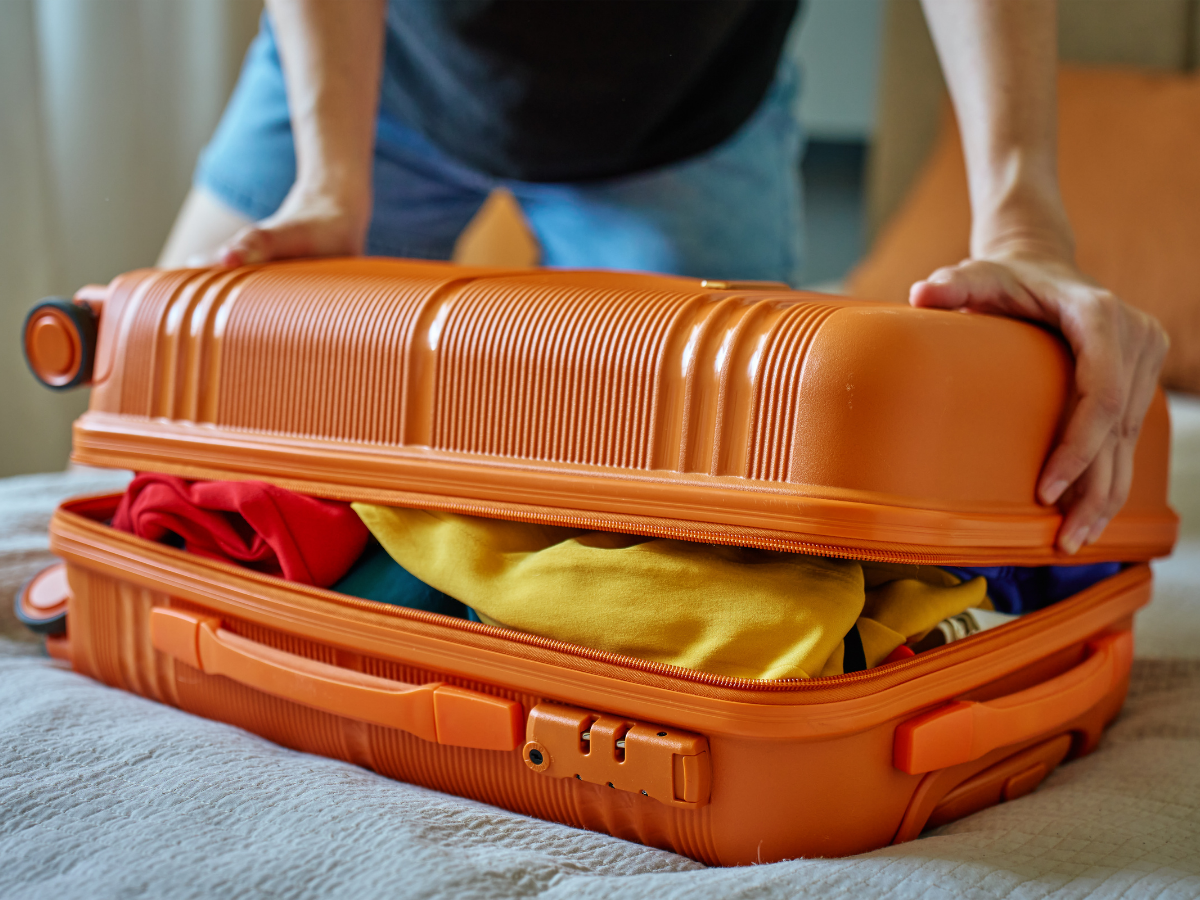
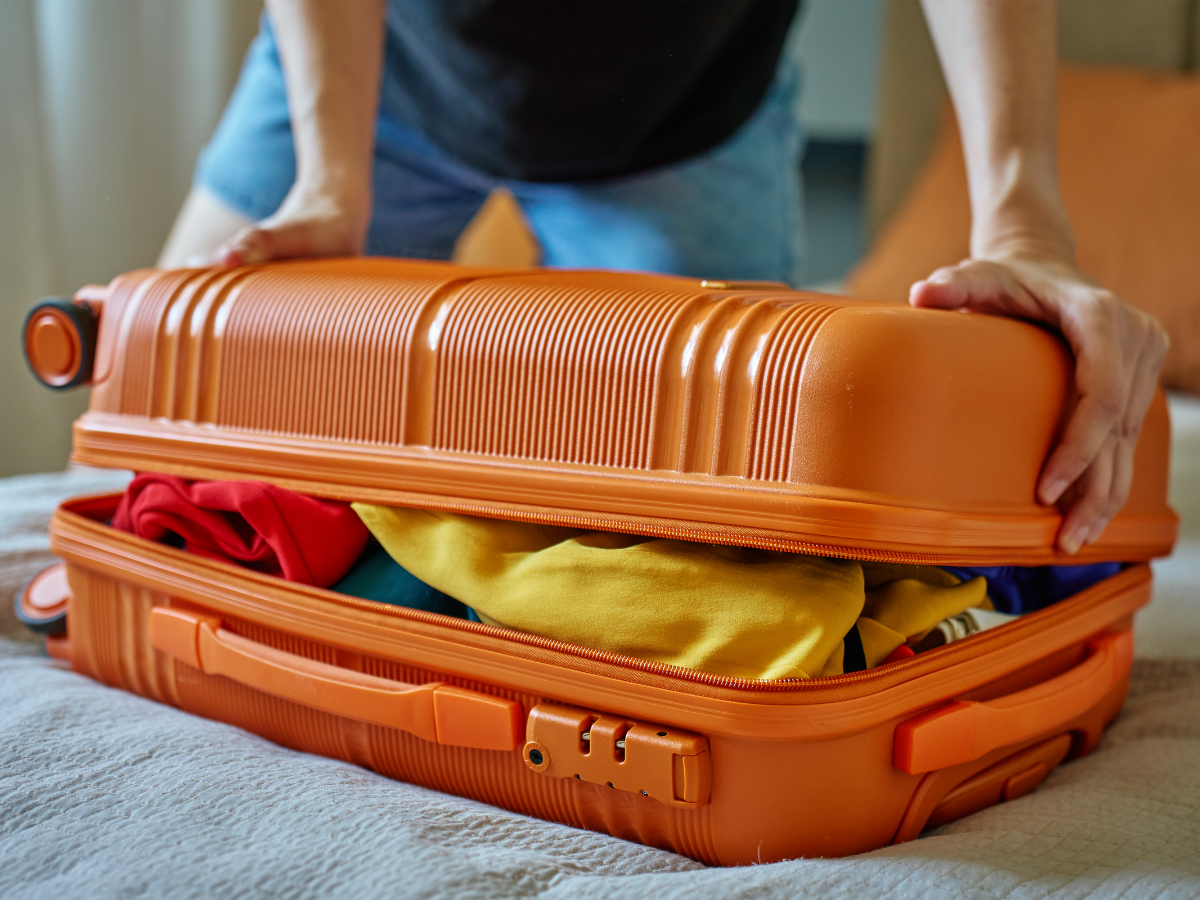
Packing on your bed keeps you upright and helps prevent the back or neck strain that comes from leaning over the floor.
How to travel with an injury smarter, not harder
1) Pack with Your Body in Mind
A few small choices while packing can make a big difference in how your body feels during the trip.
Pack your suitcase on your bed, not the floor. Staying bent over too long can strain your back or neck.
Use a rolling suitcase with 360 degree wheels and resist the urge to overpack.
Bring your own lumbar support. A small pillow, rolled towel, or even a sweatshirt can help in cars and planes.
2) Advocate for Your Comfort
Comfort while traveling with an injury is not a luxury. When you are managing pain or recovering, it is an important part of staying mobile and calm.
Request aisle seats or bulkhead rows if you need extra legroom or easier access.
Do not hesitate to ask for wheelchair assistance or early boarding. You are not being annoying, you are being wise.
Let travel companions know what you need. A simple “I’ll need to stop and stretch every hour or so” sets expectations and reduces stress.
3) Take Movement Breaks While Traveling with an Injury
Your body will respond well to consistent movement, especially during long periods of sitting. It helps ease stiffness and keeps your blood flowing.
Move your body every 30 to 60 minutes.
Set a timer to remind yourself to stand, stretch, or shift positions.
In the car, plan scenic stops or short walking and stretching breaks. Even small seat adjustments help improve circulation and decrease stiffness.
On a plane, get up when you can. Try ankle pumps, glute squeezes, seated marching, shoulder rolls, and gentle spine twists.
4) Support Your Nervous System
Travel stress can amplify pain. Settling your nervous system helps reduce tension, pain, and the overwhelm that can come with traveling with an injury.
Breathe deeply, hydrate often, and bring calming items like lavender oil, a favorite playlist, or a guided meditation.
Avoid overscheduling your arrival day. Give your body and mind time to adjust.
If you are traveling before or after surgery, build in extra time to get things done and avoid feeling rushed.
5) Prep Your Pain Plan Before Traveling with Joint Pain or an Injury
A little preplanning goes a long way toward pain management while traveling by keeping flare ups minimal.
Keep any medications, braces, or topical pain relief in a spot you can reach quickly in your carry on.
Use heat or ice packs to calm flare ups, and take advantage of the many travel friendly options available now.
Consider compression socks or sleeves if swelling is a concern, especially in your legs.
Give Your Body What It Needs to Travel Well
Traveling with pain or mobility challenges can make it seem like you’re asking for too much. Your body is doing its best, and deserves support, not judgment. Planning ahead for traveling with an injury reduces joint strain, improves circulation, and minimizes inflammation. When your body feels supported, you travel more comfortably, recover faster, and have the capacity to stay present for the experiences that matter.
If you want support preparing for travel with an injury or for an upcoming surgery and want help creating a plan that keeps your pain lower and your stress manageable, you can schedule a coaching call with me anytime.